Different Types of Towing: Complete Guide to Tow Methods 2025
Understanding the different types of towing is essential for every vehicle owner facing breakdown situations or transportation needs. From flatbed towing to wheel lift methods, each towing technique serves specific purposes and vehicle requirements. Professional towing services in the United States utilize various specialized trucks and methods to safely transport vehicles ranging from motorcycles to heavy-duty trucks across diverse road conditions.
The Three Primary Types of Towing Methods
The towing industry recognizes three main types of towing methods that form the foundation of professional vehicle recovery services. These methods include flatbed towing, wheel lift towing, and boom towing, each designed for specific vehicle types and situations. According to the American Towing and Recovery Association, over 85% of towing operations in 2024 utilized these primary methods, ensuring safe and efficient vehicle transportation across the United States.
Professional tow truck operators must understand the capabilities and limitations of each towing method to provide appropriate service recommendations. Vehicle weight, damage extent, road conditions, and destination requirements all influence the selection of the most suitable towing approach for each unique situation.
Flatbed Towing: The Gold Standard
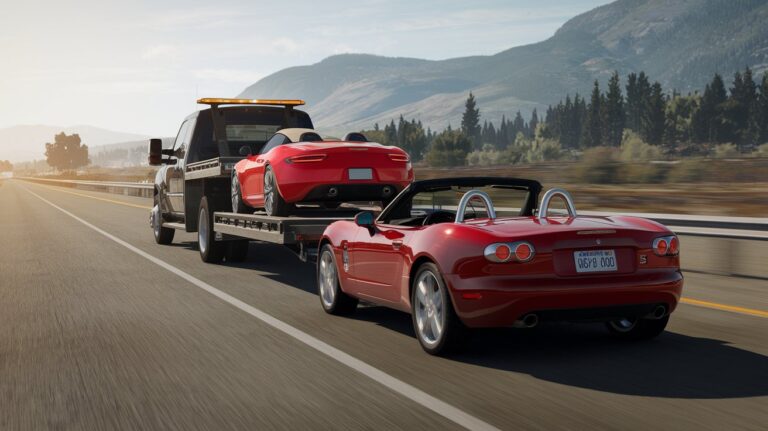
Flatbed towing represents the safest and most versatile method for transporting vehicles of all types. This method involves loading the entire vehicle onto a flat platform truck, ensuring no wheels remain in contact with the road during transport. Insurance companies and luxury vehicle manufacturers recommend flatbed towing for high-value vehicles, all-wheel drive systems, and severely damaged automobiles that cannot be safely towed using traditional methods.
Wheel Lift Towing: Traditional and Efficient
The wheel lift tow truck method involves lifting either the front or rear wheels of a vehicle off the ground while leaving the opposite wheels in contact with the road surface. This traditional approach works effectively for front-wheel drive and rear-wheel drive vehicles, providing cost-effective transportation for standard passenger cars and light trucks. Modern wheel lift systems can handle vehicles weighing up to 10,000 pounds safely.
Boom Towing: Heavy-Duty Solutions
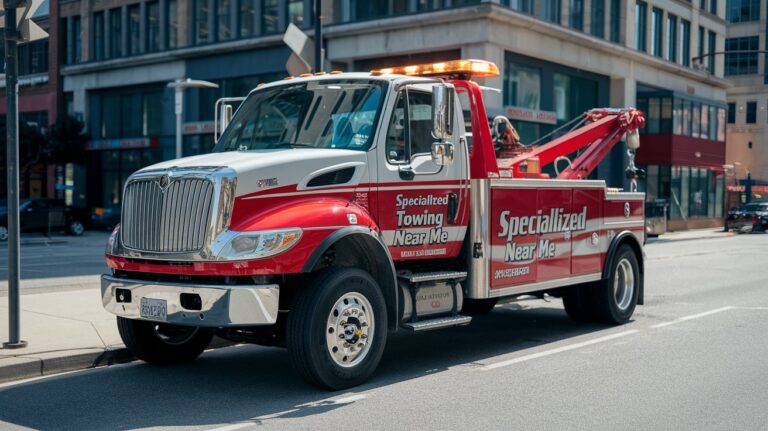
Boom tow truck operations utilize rotating boom arms and winch systems to recover vehicles from difficult positions such as ditches, embankments, or accident scenes. This method excels in heavy-duty recovery situations where vehicles cannot be easily accessed or positioned for standard towing methods. Professional operators require specialized training and certification to safely operate boom towing equipment in emergency recovery situations.
Different Classes of Towing Equipment
The towing industry categorizes equipment into different classes of towing based on weight capacity, vehicle compatibility, and operational capabilities. Class classifications range from light-duty operations handling passenger vehicles to heavy-duty systems capable of moving commercial trucks and construction equipment. Understanding these classifications helps consumers and fleet managers select appropriate towing services for their specific vehicle types and situations.
Professional towing companies invest in multiple classes of towing equipment to serve diverse customer needs efficiently. The American Automobile Association reports that properly classified towing equipment reduces vehicle damage incidents by up to 40% compared to inappropriate equipment usage scenarios.
Light-Duty Towing Equipment
Light-duty towing trucks handle passenger cars, SUVs, and small pickup trucks with gross vehicle weights under 10,000 pounds. These versatile units comprise approximately 70% of the United States towing fleet, serving everyday breakdown and accident situations. Modern light-duty equipment features hydraulic wheel lift systems, flatbed capabilities, and advanced safety equipment to protect both vehicles and operators during transport operations.
Medium-Duty and Heavy-Duty Classifications
Medium-duty and heavy-duty towing classifications serve commercial vehicles, large RVs, and construction equipment weighing between 10,000 and 80,000 pounds. These specialized units require commercial driver licenses and extensive operator training to ensure safe operation. Heavy-duty recovery operations often involve multiple trucks working together to safely move disabled commercial vehicles from highways and work zones.
Specialized Tow Truck Types and Applications
Beyond standard classifications, specialized types of tow trucks serve unique transportation and recovery needs across various industries. Emergency services, law enforcement, and commercial fleets rely on specialized towing equipment designed for specific operational requirements. The variety of available truck types ensures appropriate solutions for every vehicle transportation challenge encountered in modern America.
Integrated Tow Trucks for Maximum Versatility
Integrated tow truck designs combine multiple towing capabilities within a single chassis, providing operators with flatbed and wheel lift functionality. These versatile units maximize operational efficiency while reducing fleet maintenance costs for towing companies. Integrated systems can switch between towing methods based on specific job requirements, making them ideal for busy urban markets with diverse vehicle types.
Specialty Recovery and Transport Vehicles
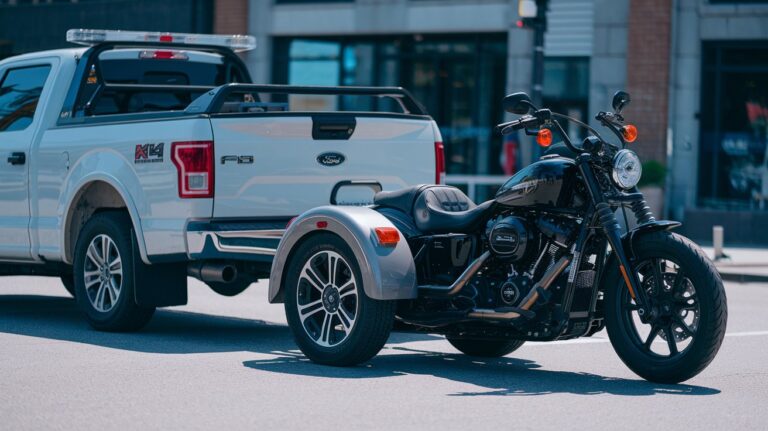
Specialty towing vehicles include motorcycle carriers, car haulers, and different types of towing cars designed for specific transportation needs. Car haulers transport multiple vehicles simultaneously for dealerships and auction facilities, while motorcycle carriers provide secure transportation for two-wheeled vehicles. These specialized units ensure safe handling of unique vehicle types that require customized loading and securing procedures.
Understanding the 80% Towing Rule and Safety Guidelines
The 80% rule for towing establishes critical safety parameters for recreational and commercial towing operations. This fundamental principle states that the total weight of a trailer and its cargo should not exceed 80% of the towing vehicle’s rated capacity. Following this rule prevents drivetrain damage, maintains vehicle stability, and ensures safe stopping distances during towing operations across various road conditions.
Professional towing operators and recreational towers must understand weight distribution principles to avoid dangerous situations. The National Highway Traffic Safety Administration emphasizes that proper weight calculations reduce towing-related accidents by up to 35% compared to operations that exceed recommended capacity limits.
Vehicle-Specific Towing Considerations
Modern vehicles require specialized knowledge regarding appropriate towing methods based on drivetrain configuration, transmission type, and manufacturer recommendations. All-wheel drive vehicles, hybrid systems, and electric vehicles present unique challenges that demand specific towing approaches to prevent costly damage. Professional operators maintain current training on evolving vehicle technologies to provide safe and appropriate towing services.
All-Wheel Drive and Four-Wheel Drive Towing
All-wheel drive and four-wheel drive vehicles typically require flatbed towing to prevent drivetrain damage during transport. These systems maintain constant power distribution between wheels, making traditional wheel lift methods potentially damaging to expensive transfer cases and differentials. Many vehicle warranties specifically void coverage for improper towing damage, emphasizing the importance of using appropriate methods for these vehicle types.
Electric and Hybrid Vehicle Towing Requirements
Electric and hybrid vehicles demand specialized towing procedures to protect high-voltage battery systems and regenerative braking components. Most manufacturers recommend flatbed transport for these vehicles to avoid potential electrical system damage from wheel rotation during towing. As electric vehicle adoption increases across the United States, towing operators continue updating equipment and training to serve this growing market segment safely.
Emergency Towing vs. Planned Transportation Services
The towing industry serves two distinct market segments requiring different types of towing approaches and response capabilities. Emergency roadside assistance demands rapid response times and versatile equipment to handle unexpected breakdown situations. Planned transportation services focus on scheduled vehicle movement for dealerships, auctions, and private customers requiring safe, timely delivery to specific destinations.
Emergency operators maintain 24/7 availability with strategically positioned equipment throughout service territories. Response time standards typically require arrival within 30 minutes for urban areas and 45 minutes for suburban locations, ensuring stranded motorists receive prompt professional assistance during stressful breakdown situations.
Related video about different types of towing
This video complements the article information with a practical visual demonstration.
Key Questions and Answers
What are the three types of towing methods?
The three primary types of towing are flatbed towing, wheel lift towing, and boom towing. Flatbed towing loads the entire vehicle onto a platform, wheel lift raises either front or rear wheels, and boom towing uses winch systems for heavy-duty recovery operations.
What are the different classes of towing equipment?
Towing equipment is classified as light-duty (under 10,000 lbs), medium-duty (10,000-26,000 lbs), and heavy-duty (over 26,000 lbs). Each class serves specific vehicle weight ranges and requires appropriate equipment and operator certification levels.
What are the different types of towing trucks available?
Main towing truck types include flatbed trucks, wheel lift trucks, boom trucks, integrated units combining multiple methods, and specialty vehicles like car haulers and motorcycle carriers. Each serves specific transportation and recovery needs.
What is the 80% rule for towing?
The 80% rule states that trailer and cargo weight should not exceed 80% of the towing vehicle’s rated capacity. This safety guideline prevents drivetrain damage, maintains stability, and ensures safe stopping distances during towing operations.
Can all-wheel drive vehicles be towed safely?
All-wheel drive vehicles typically require flatbed towing to prevent drivetrain damage. Traditional wheel lift methods can damage transfer cases and differentials in AWD systems, making flatbed transport the recommended safe method.
How do I choose the right type of towing service?
Choose based on your vehicle type, condition, and destination. Luxury cars, AWD vehicles, and long distances require flatbed service. Standard FWD/RWD cars can use wheel lift for short distances. Consult your owner’s manual for manufacturer recommendations.
| Towing Method | Best Applications | Key Benefits |
|---|---|---|
| Flatbed Towing | Luxury cars, AWD vehicles, long distances | Maximum safety, no wheel contact with road |
| Wheel Lift Towing | Standard FWD/RWD cars, short distances | Cost-effective, quick loading process |
| Boom Towing | Heavy vehicles, accident recovery | Heavy-duty capability, difficult access situations |
| Integrated Systems | Multi-purpose fleet operations | Versatility, operational efficiency |