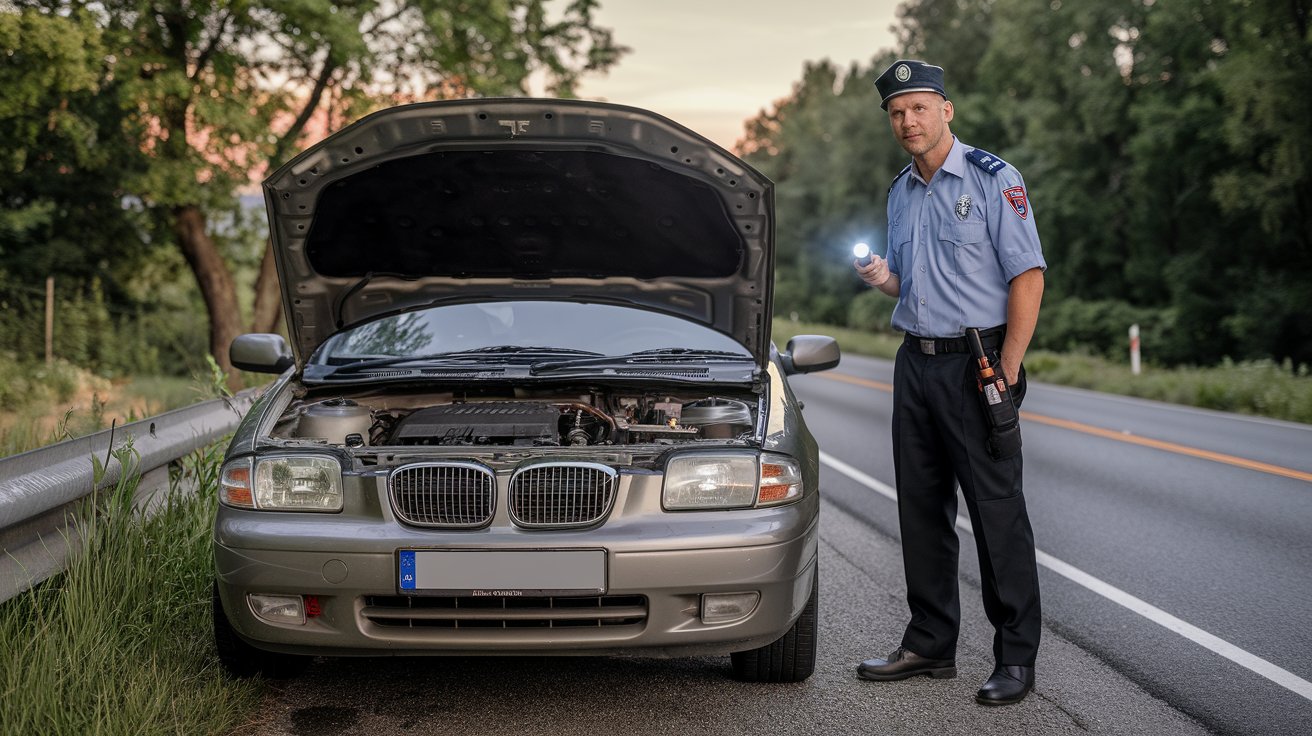
Emergency Roadside Assistance Tips: Complete Guide 2025
When your vehicle breaks down on the road, knowing the right emergency roadside assistance tips can mean the difference between a minor inconvenience and a dangerous situation. With over 69 million roadside breakdowns occurring annually in the United States, proper preparation and knowledge of safety protocols are essential for every driver. This comprehensive guide covers everything from assembling the perfect emergency kit to understanding your insurance coverage options.
Essential Emergency Roadside Kit Components
A well-stocked emergency roadside kit is your first line of defense against unexpected breakdowns. According to the National Highway Traffic Safety Administration, 85% of roadside emergencies can be resolved or made safer with proper tools and supplies. Your kit should be stored in an easily accessible location and checked every six months for expired items.
The most critical items include jumper cables rated for your vehicle’s engine size, a tire pressure gauge, emergency flares or reflective triangles, basic tools like screwdrivers and wrenches, and a flashlight with extra batteries. In 2024, AAA reported that 32% of their service calls were for battery issues, making jumper cables the most important tool in your emergency arsenal.
Safety and Visibility Equipment
Proper visibility equipment ensures other drivers can see you during an emergency. Include reflective triangles or flares, a reflective safety vest, and emergency lighting. The Federal Motor Carrier Safety Administration requires commercial vehicles to carry these items, and they’re equally important for personal vehicles. Modern LED emergency lights are more reliable than traditional flares and won’t expire, making them a smart investment for your roadside assistance preparations.
Emergency Communication and Documentation
Keep a fully charged portable phone charger, emergency contact list, and copies of your insurance information in your kit. In 2024, 94% of Americans own a cell phone, but dead batteries during emergencies remain common. Having a backup power source ensures you can call for assistance immediately when needed. Include your insurance company’s 24-hour claims number and your roadside assistance provider’s contact information.
Immediate Safety Protocols During Breakdowns
When your vehicle experiences problems, your immediate priority should be getting to a safe location. If possible, exit the roadway completely and park on level ground away from traffic. Turn on your hazard lights immediately and raise your hood to signal distress. The National Safety Council reports that being struck by another vehicle is the leading cause of fatalities during roadside emergencies.
If you cannot exit the roadway, pull as far right as possible and stay in your vehicle with your seatbelt fastened. Only exit your vehicle if it’s absolutely safe to do so. Statistics show that 85% of roadside fatalities occur when people exit their vehicles on busy highways. Your personal safety is more important than your vehicle, so prioritize getting yourself and passengers to a secure location before attempting any repairs or assessments.
Making Your Vehicle Visible to Other Drivers
Proper visibility can prevent secondary accidents and alert emergency responders to your location. Place emergency flares or reflective triangles approximately 100 feet behind your vehicle, or 200 feet if you’re on a highway. The triangles should form a line leading to your vehicle, giving approaching drivers ample warning to change lanes.
Turn on your hazard lights and interior dome light if it’s dark outside. If available, use a reflective emergency blanket or banner to increase visibility. During daylight hours, raise your hood and tie a bright cloth to your antenna or door handle. These visual cues help other drivers identify your situation and can significantly reduce the risk of collisions during your roadside assistance wait time.
Who to Call for Emergency Roadside Assistance
Knowing who to contact during a breakdown can save valuable time and ensure you receive appropriate help. Your options typically include your auto insurance company’s roadside assistance, AAA or similar motor clubs, manufacturer warranty programs, or independent towing services. Each option has different response times, coverage areas, and service limitations that you should understand before an emergency occurs.
Many drivers don’t realize that their insurance policies include roadside assistance coverage. According to the Insurance Information Institute, 75% of auto insurance policies offer this service, often for an additional $20-$40 annually. Check your policy documents or contact your agent to understand what services are covered and any limitations on usage or geographic coverage areas.
Insurance-Based Roadside Assistance
Most major insurance companies offer comprehensive roadside assistance programs that cover towing, battery jumps, flat tire changes, and lockout services. The average response time for insurance-based services is 45-60 minutes in urban areas and up to 90 minutes in rural locations. Unlike some programs, using your insurance roadside assistance typically won’t affect your premium rates, as these are considered customer service claims rather than coverage claims.
Motor Club and Membership Services
Organizations like AAA provide extensive roadside assistance networks with additional benefits such as trip planning, discounts, and extended towing distances. AAA membership costs range from $60-$130 annually depending on the service level, with Premium memberships offering up to 200 miles of free towing. These services often have faster response times and more comprehensive coverage than basic insurance programs, making them valuable for frequent travelers or older vehicle owners.
OnStar and Factory-Installed Emergency Services
Many modern vehicles come equipped with factory emergency assistance systems like OnStar Roadside Assistance. These services combine GPS location technology with 24/7 call centers to provide rapid response to emergencies. OnStar offers automatic crash response, stolen vehicle assistance, and remote diagnostic services in addition to traditional roadside help. The service is typically free for the first few years of vehicle ownership, after which subscription fees range from $25-$45 monthly.
Factory systems have several advantages over traditional services, including automatic location detection, vehicle diagnostic capabilities, and integration with emergency services. When you activate OnStar Roadside service, operators can often diagnose your vehicle’s problem remotely and dispatch the appropriate type of assistance. This technology-enhanced approach reduces response times and ensures you receive the most suitable help for your specific situation.
Understanding Towing Coverage and Distance Limits
Towing coverage varies significantly between different roadside assistance providers, and understanding these limitations can prevent unexpected expenses. Basic insurance coverage typically provides 10-25 miles of free towing, while premium services may offer unlimited distance to your preferred repair facility. OnStar Roadside Assistance towing distance typically includes up to 35 miles of free towing, with additional miles charged at competitive rates.
The national average cost for towing services ranges from $75-$125 for local distances, with long-distance towing costing $2.50-$5.00 per mile. Knowing your coverage limits helps you make informed decisions about where to have your vehicle towed. If your destination exceeds your coverage limit, you can often pay the difference directly to the towing company rather than using a different service entirely.
Free Roadside Assistance Options and Resources
Several options exist for drivers who need free roadside assistance for gas or other emergency services. Some credit card companies offer roadside assistance as a cardholder benefit, typically at no additional cost. Many tire retailers like Discount Tire provide free flat tire repair and emergency tire services for customers who purchased tires from their locations.
Government and nonprofit organizations also provide emergency assistance in certain situations. The Department of Transportation operates highway assistance patrols in many states, offering free basic services like fuel delivery, tire changes, and jump-starts during specific hours. Religious organizations and community groups sometimes provide volunteer roadside assistance programs, particularly in rural areas where commercial services may be limited.
Proper Etiquette and Tipping for Roadside Assistance
Understanding proper etiquette when receiving roadside assistance helps ensure good service and shows appreciation for the technician’s help. While tipping isn’t mandatory for roadside assistance, it’s appreciated for exceptional service or challenging conditions. The standard tip range is $10-$20 for basic services like jump-starts or tire changes, with higher amounts appropriate for complex repairs or adverse weather conditions.
Many drivers wonder should I tip the roadside assistance guy when services are covered by insurance or membership programs. Even though you’re not paying directly for the service, the technician is providing manual labor and expertise, often in difficult conditions. A small tip acknowledges their professionalism and can lead to better service if you need assistance in the future.
State-Specific Emergency Roadside Assistance Information
Different states have varying regulations and resources for roadside assistance, making it important to understand your local options. Emergency roadside assistance tips California drivers should know include the state’s aggressive Move Over laws, which require drivers to change lanes when passing stopped emergency vehicles. California also has extensive highway patrol assistance programs and rest area facilities every 30-40 miles on major highways.
Emergency roadside assistance tips Texas include understanding the state’s extreme weather conditions and vast distances between cities. Texas operates courtesy patrols on major highways around metropolitan areas, providing free basic services during peak hours. The state’s size means longer response times in rural areas, making preparation especially important for long-distance travelers. Both states offer 511 traffic information systems that can help you locate the nearest services and avoid traffic complications during emergencies.
Related video about emergency roadside assistance tips
This video complements the article information with a practical visual demonstration.
What you should know
Should I tip the roadside assistance guy?
While tipping isn’t mandatory for roadside assistance, it’s appreciated for good service. The standard range is $10-$20 for basic services like jump-starts or tire changes. Consider tipping more for complex repairs, adverse weather conditions, or exceptional service. Even when services are covered by insurance or membership programs, technicians appreciate recognition for their manual labor and expertise.
How to get roadside assistance immediately?
To get immediate roadside assistance, first ensure you’re in a safe location with hazard lights on. Call your insurance company’s 24-hour roadside assistance number, your motor club like AAA, or use factory services like OnStar. Have your location, vehicle information, and description of the problem ready. Urban response times average 45-60 minutes, while rural areas may take 90 minutes or longer.
Does my insurance go up if I call roadside assistance?
No, using roadside assistance through your insurance company typically won’t increase your premiums. These are considered customer service claims rather than coverage claims. Most insurance companies encourage the use of roadside assistance as it can prevent more costly claims from secondary accidents or damage. However, check with your specific provider to understand their policy on roadside assistance usage.
What should be in an emergency roadside kit?
A comprehensive emergency roadside kit should include jumper cables, tire pressure gauge, reflective triangles or flares, basic tools, flashlight with extra batteries, first aid supplies, emergency blankets, portable phone charger, and emergency contact information. Include seasonal items like ice scraper, sand or kitty litter for traction, and extra water. Store everything in a waterproof container and check supplies every six months for expired items.
Is OnStar Roadside Assistance free?
OnStar Roadside Assistance is typically free for the first 3-5 years of new vehicle ownership, depending on the manufacturer and trim level. After the complimentary period ends, subscription fees range from $25-$45 monthly depending on the service plan. OnStar includes GPS location services, automatic crash response, and remote diagnostics in addition to traditional roadside assistance services like towing and jump-starts.
What does OnStar Roadside Assistance cover?
OnStar Roadside Assistance covers emergency services including towing up to 35 miles, flat tire assistance, battery jump-starts, emergency fuel delivery, and lockout service. Additional features include automatic crash response, stolen vehicle assistance, remote door unlock, and vehicle diagnostics. The service operates 24/7 with GPS location detection, allowing operators to find your exact location even if you’re unsure of your whereabouts.
| Emergency Aspect | Key Details | Safety Benefit |
|---|---|---|
| Emergency Kit | Jumper cables, flares, tools, first aid | Resolves 85% of common breakdowns |
| Vehicle Visibility | Hazard lights, triangles 100-200 feet back | Prevents secondary accidents |
| Safe Positioning | Exit roadway completely, stay in vehicle | Reduces fatality risk by 85% |
| Multiple Service Options | Insurance, AAA, OnStar, credit cards | Ensures help availability 24/7 |
| Response Time Knowledge | 45-60 minutes urban, 90+ minutes rural | Helps plan safe waiting strategies |