Where to Tow Car After Accident: Complete 2025 Guide
After a car accident, determining where to tow car after accident locations is crucial for protecting your vehicle and insurance claim. Whether your car is totaled or damaged, choosing the right towing destination affects repair costs, insurance coverage, and how quickly you get back on the road. This comprehensive guide covers all your options, rights, and the best practices for 2025.
Where to Tow Your Car After an Accident
When deciding where to tow car after accident situations, you have several destination options depending on the severity of damage and your immediate needs. The most common locations include authorized repair shops, your preferred mechanic, your home or a secure location, and insurance company-approved facilities. Each option has specific advantages and potential drawbacks that affect your claim process and out-of-pocket costs.
Your choice of tow destination significantly impacts how quickly repairs begin and whether your insurance covers all associated costs. In 2025, most insurance companies have preferred provider networks that offer streamlined claim processing and guaranteed work quality. However, you maintain the right to choose your repair facility in most US states, though this may affect coverage levels and claim processing times.
Insurance-Approved Repair Facilities
Insurance companies maintain networks of approved repair shops that offer direct billing, warranty guarantees, and faster claim processing. These facilities typically provide detailed digital estimates, use OEM or approved aftermarket parts, and maintain direct communication with your insurance adjuster. Choosing an insurance-approved facility often eliminates upfront repair costs and reduces claim processing time by 3-5 business days compared to independent shops.
Your Preferred Repair Shop
You have the legal right to choose any licensed repair facility for your vehicle, even if it’s not in your insurance network. However, you may need to pay upfront and seek reimbursement, and the insurance company may only cover their estimated repair costs rather than the actual shop charges. Independent shops often provide more personalized service and may be more willing to fight for additional repairs during the claim process.
Home or Secure Storage Location
If your vehicle is drivable or you need time to research repair options, towing to your home or secure storage facility provides maximum control over the situation. This option works best for minor accidents where immediate repairs aren’t critical. However, be aware that insurance companies typically require vehicle inspection within 7-10 days of the claim filing, and prolonged storage may complicate the claims process.
Police Impound and Towing Requirements
When police respond to accidents, they may order your vehicle towed to an impound lot if it’s blocking traffic, poses a safety hazard, or if citations are issued. Police departments contract with specific towing companies and impound facilities, giving you limited choice in the immediate aftermath. Understanding these requirements helps you prepare for potential impound fees and storage costs that can accumulate quickly.
In 2025, most US jurisdictions require police to provide written notice of impound location and your rights to retrieve personal property within 24 hours. Daily storage fees typically range from $25-50 per day, and these costs continue accumulating until you retrieve the vehicle. Some states cap total storage fees, while others allow unlimited accumulation, making prompt vehicle retrieval financially important.
Why Police Impound Cars After Accidents
Police impound vehicles after accidents for several reasons: blocking traffic flow, driver intoxication or arrest, lack of valid registration or insurance, or when the vehicle poses an ongoing safety hazard. Additionally, if the driver cannot arrange private towing within a reasonable timeframe, police will order impoundment to clear the accident scene and restore normal traffic patterns.
Your Rights During Police Impound
During police impound situations, you maintain specific rights including immediate access to retrieve personal property, the right to request release to a licensed driver with proper insurance, and the right to choose your repair facility once the vehicle is released. You also have the right to challenge impound fees if the towing was improper or if you can prove financial hardship in many jurisdictions.
Towing Costs and Insurance Coverage
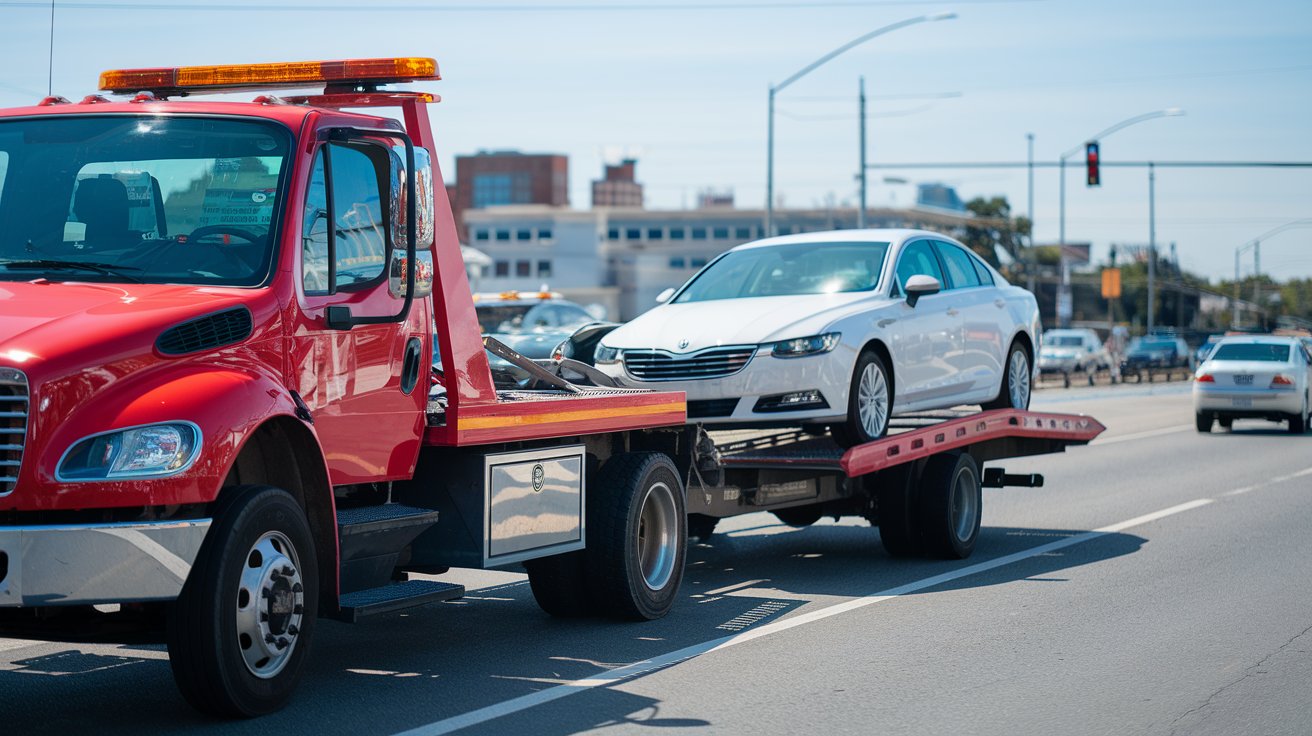
Understanding towing costs after accident scenarios helps you make informed decisions about where to have your vehicle towed. In 2025, standard towing fees range from $100-200 for local tows under 10 miles, with additional charges of $3-7 per mile for longer distances. Specialty towing for luxury vehicles, motorcycles, or vehicles requiring flatbed service typically costs 25-50% more than standard hook-and-chain towing.
Insurance coverage for towing varies significantly between policies and coverage types. Comprehensive and collision coverage often includes towing to repair facilities, while liability-only policies provide no towing benefits. Many insurers offer roadside assistance add-ons for $20-40 annually that cover towing up to specified limits, typically $100-150 per incident with 2-4 incidents covered per policy year.
How Much Does Accident Towing Cost
Standard accident towing costs in 2025 include base fees of $100-150, mileage charges of $3-7 per mile beyond the first 5-10 miles, and additional services like winching ($50-100) or cleanup ($75-150). Total costs typically range from $150-400 for most accident towing, though complex recovery operations or long-distance towing can exceed $800. Emergency after-hours towing often includes 50-100% surcharges.
What Insurance Covers for Towing
Most comprehensive and collision policies cover reasonable towing expenses to the nearest qualified repair facility, typically without dollar limits for claim-related towing. However, coverage may exclude towing to multiple locations, long-term storage fees, or towing for convenience rather than necessity. Roadside assistance coverage provides separate towing benefits regardless of fault, making it valuable even for liability-only policies.
Steps to Arrange Towing After an Accident
Taking the right steps to arrange towing after an accident protects your interests and ensures proper insurance claim handling. First, ensure everyone’s safety and contact emergency services if injuries occurred. Document the accident scene thoroughly before vehicles are moved, including photos of damage, license plates, and surrounding conditions. Contact your insurance company to report the claim and get guidance on approved towing services and repair facilities.
When selecting a towing service, verify they’re licensed and insured, ask for upfront pricing including potential additional charges, and confirm their destination capabilities. Reputable towing companies provide written estimates, accept insurance direct payments when applicable, and offer secure storage if immediate repair isn’t possible. Always get receipts for all towing and storage charges to submit with your insurance claim.
Call a Trusted Towing Service
Selecting a trusted towing service involves verifying their business license, insurance coverage, and Better Business Bureau rating. Ask for upfront pricing including base fees, mileage charges, and any potential additional services. Established towing companies maintain relationships with insurance companies and repair shops, facilitating smoother claim processing and often offering direct billing arrangements that reduce your upfront costs.
Know Your Rights During Towing
Your towing rights include choosing your destination (unless police-ordered), receiving itemized pricing before service begins, and accessing personal property immediately after towing. You cannot be forced to use a specific repair shop, and towing companies must provide secure storage with reasonable access hours. If you disagree with charges, most states require written dispute processes and may regulate maximum allowable fees for accident-related towing.
What to Do If Your Car Was Towed Without Permission
When your car was towed after accident without permission, immediate action is required to minimize storage costs and protect your rights. First, contact the police department that responded to the accident to verify the tow was authorized and obtain impound lot information. If the tow was police-ordered due to safety or legal requirements, you’ll need to resolve any underlying issues before vehicle release.
For unauthorized towing situations, document everything including photos of where your car was parked, witness statements, and any posted signage. Contact your insurance company immediately to report potential wrongful towing, as they may assist with recovery costs and legal issues. File complaints with local consumer protection agencies and consider consulting an attorney if significant damages or rights violations occurred.
How Long Can You Leave Your Car Impounded
The duration you can leave your car impounded varies by jurisdiction, but most facilities begin lien processes after 30-60 days of non-payment or abandonment. Daily storage fees continue accumulating indefinitely in most areas, potentially exceeding your vehicle’s value within weeks for older cars. In 2025, average impound storage costs range from $25-50 daily, meaning a $5,000 vehicle could accumulate its full value in storage fees within 100-200 days.
Many states require impound lots to send abandonment notices after 30-45 days, followed by lien sale processes that allow them to auction your vehicle to recover fees. However, you remain liable for any deficiency if auction proceeds don’t cover accumulated costs. Some jurisdictions offer hardship programs or payment plans for vehicle recovery, but these typically require proof of financial need and prompt application.
Getting Around While Your Car Is Being Repaired
When considering how would you get around while your car is being repaired following an accident, several transportation options help maintain your mobility during the repair process. Rental car coverage through your insurance policy provides the most convenient solution, typically covering comparable vehicles for the duration of repairs. Many comprehensive policies include rental coverage, while it’s available as an affordable add-on for basic policies.
Alternative transportation options include rideshare services, public transportation, temporary vehicle loans from repair shops, or borrowing vehicles from family and friends. For extended repairs, monthly public transit passes often cost less than daily rideshare expenses. Some repair shops offer courtesy vehicles or shuttle services to major destinations, particularly for customers using their preferred insurance partners.
Rental Car Coverage After Accidents
Insurance rental car coverage typically provides vehicles of comparable size and features to your damaged car, with daily limits ranging from $30-100 depending on your coverage level. Most policies cover rentals from the time repairs begin until completion, with some extending coverage for total loss settlements. Premium coverage levels may include luxury vehicle upgrades and higher daily limits for business use or special circumstances.
How Long Can You Keep a Rental Car
The duration of rental car coverage depends on your policy terms and repair complexity, typically ranging from 30 days for comprehensive coverage to unlimited duration until repairs are completed. For total loss claims, rental coverage usually continues for 3-5 days after settlement to allow new vehicle shopping. Extended rental periods may require periodic insurance company approval and documentation of repair progress or settlement negotiations.
Related video about where to tow car after accident
This video complements the article information with a practical visual demonstration.
Key Questions and Answers
Should I tow my car after an accident if it’s still drivable?
If your car is safe to drive with no leaking fluids, structural damage, or impaired visibility, you may drive it to a repair facility. However, hidden damage could worsen during driving, and insurance companies prefer professional towing to prevent additional damage. Consider towing if you’re unsure about safety or if the accident was severe.
Who pays for towing and storage after an accident?
If you’re not at fault, the other driver’s insurance typically covers towing and reasonable storage costs. If you’re at fault or have comprehensive coverage, your insurance usually covers towing to repair facilities. For police impounds, you’re generally responsible for fees regardless of fault, though insurance may reimburse reasonable costs.
How much does it cost to tow a totaled car?
Towing costs for totaled vehicles range from $150-400 for standard distances, with additional charges for specialty equipment or long-distance hauling. Insurance companies typically cover reasonable towing costs for totaled vehicles to their designated facilities or salvage yards. Storage fees at salvage yards are usually minimal compared to body shop storage rates.
Where should you move your car right after a collision?
If vehicles are drivable and no serious injuries occurred, move cars to the nearest safe location away from traffic lanes – preferably a parking lot or wide shoulder. Turn on hazard lights, exit away from traffic, and call police if required by law. If cars can’t be moved safely, turn on hazards and wait for emergency responders while staying in a safe location.
Can I choose where to tow my car after an accident?
Yes, you generally have the right to choose your towing destination unless police order impoundment for safety or legal reasons. You can request towing to your preferred repair shop, insurance-approved facility, or secure storage location. However, insurance coverage may vary depending on your choice, with preferred providers often offering better coverage terms.
What should I do if my car was towed after an accident without my permission?
Contact the responding police department to verify if the tow was authorized due to safety or legal requirements. If unauthorized, document the situation and contact your insurance company immediately. File complaints with consumer protection agencies and consider legal consultation for significant damages. Retrieve your vehicle promptly to minimize accumulating storage fees.
| Towing Option | Best For | Key Benefits |
|---|---|---|
| Insurance-Approved Shop | Quick repairs and guaranteed work | Direct billing, faster processing, warranty coverage |
| Your Preferred Shop | Established relationships and trust | Personalized service, familiar technicians, advocacy |
| Home/Secure Storage | Time to research options | Maximum control, no pressure decisions, cost savings |
| Police Impound | Legal requirements or safety | Immediate scene clearance, secure storage, legal compliance |