Heavy Equipment Towing: Complete Guide & Best Practices 2025
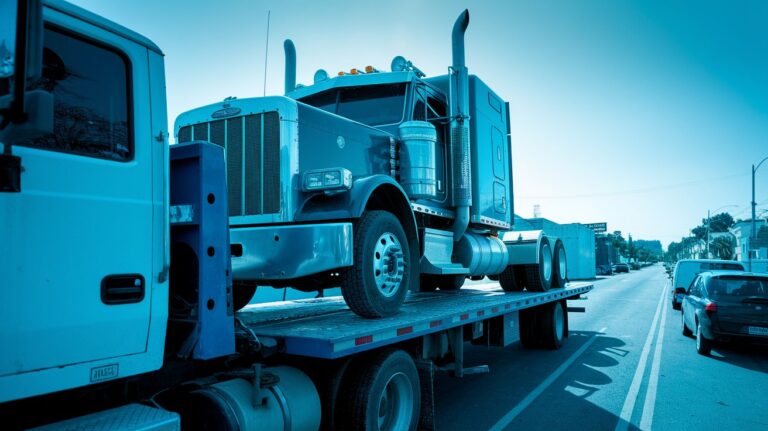
Heavy equipment towing requires specialized knowledge, equipment, and expertise to safely transport construction machinery, agricultural equipment, and industrial vehicles. Professional heavy duty towing services utilize advanced wreckers and trained operators to handle loads exceeding standard vehicle capacities, ensuring compliance with federal and state transportation regulations throughout the United States.
What is Considered Heavy Duty Towing
Heavy duty towing typically involves vehicles and equipment weighing over 26,000 pounds, requiring specialized tow trucks and certified operators. This category includes construction equipment like excavators, bulldozers, cranes, agricultural machinery, large commercial vehicles, and industrial equipment. The classification determines the type of towing equipment needed and regulatory requirements for transport.
In the United States, heavy equipment towing operations must comply with Department of Transportation (DOT) regulations, including proper permits, weight distribution, and route restrictions. Professional towing companies invest in Class 7 and Class 8 heavy-duty wreckers capable of handling these massive loads safely and efficiently across various terrains and conditions.
Types of Heavy Equipment Towing Services
Professional towing companies offer diverse services tailored to specific heavy equipment needs. Understanding these service types helps operators choose appropriate solutions for their transportation requirements while ensuring safety and regulatory compliance.
Recovery and Roadside Assistance
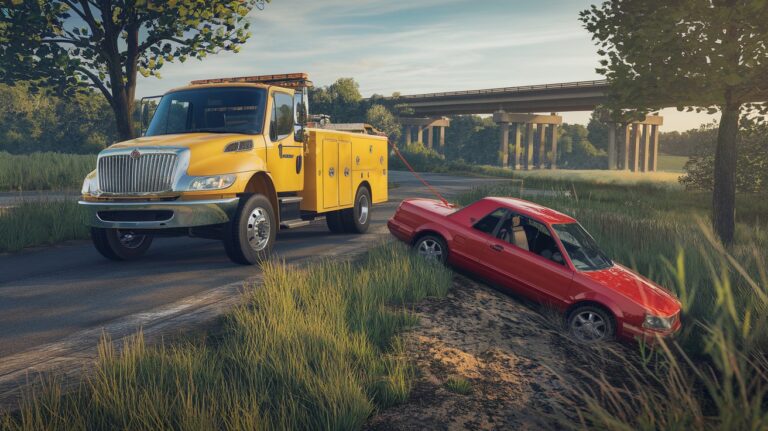
Heavy equipment recovery services address breakdowns, accidents, and stuck machinery situations. Professional operators use winches, rotators, and specialized rigging equipment to extract disabled equipment from challenging locations. Recovery operations often involve multiple tow trucks working in coordination to safely remove heavy machinery from construction sites, farms, or roadway incidents without causing additional damage.
Long-Distance Transportation
Long-distance heavy equipment towing involves transporting machinery between job sites, dealerships, or storage facilities across state lines. These operations require careful route planning, permit acquisition, and compliance with interstate commerce regulations. Professional services coordinate with authorities to ensure safe passage through weight-restricted bridges, tunnels, and urban areas while maintaining schedule efficiency.
CDL Requirements and Regulations for Heavy Equipment Towing
Operating heavy duty tow trucks requires specific licensing based on vehicle weight and towing capacity. The 80% towing rule states that operators should not exceed 80% of their vehicle’s maximum towing capacity to maintain safe handling and braking performance. This safety margin accounts for varying road conditions, weather factors, and unexpected situations during transport operations.
Commercial Driver’s License (CDL) requirements depend on the combined weight of the tow vehicle and loaded equipment. Class A CDL is required for combinations exceeding 26,001 pounds when the towed unit weighs over 10,000 pounds. Class B CDL covers single vehicles over 26,001 pounds. Additional endorsements may be necessary for hazardous materials or specialized equipment transportation.
Heavy Duty Tow Truck Types and Specifications
Professional heavy equipment towing relies on specialized vehicles designed for maximum lifting capacity, stability, and versatility. Understanding different tow truck configurations helps operators select appropriate equipment for specific towing scenarios.
Rotator Tow Trucks
Rotator tow trucks feature 360-degree rotating booms with lifting capacities ranging from 50 to 75 tons. These versatile units handle complex recovery operations, precise equipment positioning, and heavy lifting tasks. The rotating mechanism allows operators to access equipment from multiple angles without repositioning the truck, making them ideal for confined spaces and challenging recovery situations.
Heavy-Duty Wreckers
Traditional heavy-duty wreckers provide reliable towing capacity up to 35 tons with robust winch systems and reinforced chassis construction. These workhorses excel in straightforward towing operations, featuring multiple winch points, stabilizing outriggers, and generous storage for rigging equipment. Modern wreckers incorporate advanced hydraulic systems for smooth operation and enhanced operator safety during heavy lifting procedures.
Leading Heavy Duty Tow Truck Manufacturers
Miller Industries dominates the American heavy-duty towing market as the world’s largest manufacturer of towing equipment. Based in Tennessee, Miller Industries produces Century, Vulcan, and Chevron brand tow trucks, serving professional operators nationwide with innovative designs and reliable performance standards established over decades of industry leadership.
Other prominent tow truck manufacturers USA based include Jerr-Dan Corporation, Dynamic Manufacturing, and NRC Industries. These companies specialize in custom configurations, advanced hydraulic systems, and specialized applications for unique towing requirements. Competition drives continuous innovation in lifting capacity, operator safety features, and fuel efficiency improvements.
Heavy Duty Tow Truck Pricing and Investment Considerations
New heavy duty tow truck prices range from $200,000 to $800,000 depending on specifications, lifting capacity, and manufacturer. Rotator units command premium pricing due to advanced hydraulic systems and engineering complexity. Used equipment offers more accessible entry points, with quality units available between $75,000 and $300,000 based on age, condition, and maintenance history.
Investment decisions should consider operational requirements, financing options, warranty coverage, and long-term maintenance costs. Professional operators often lease equipment to preserve working capital while accessing latest technology. Heavy duty tow truck for sale opportunities exist through dealerships, auctions, and direct manufacturer sales programs offering competitive financing terms.
Starting a Heavy Equipment Towing Business
Entrepreneurs asking can I make money towing with heavy equipment should understand the substantial initial investment and ongoing operational requirements. Successful operations require proper licensing, insurance coverage, specialized training, and reliable equipment maintenance programs. Market demand exists in construction, agriculture, and industrial sectors requiring professional towing services.
Business planning should address target markets, competitive analysis, equipment acquisition strategies, and operational logistics. Professional training programs provide essential skills for safe equipment operation and customer service excellence. Insurance costs reflect higher liability exposure, but established operators generate substantial revenue through specialized service offerings and long-term client relationships.
Safety Best Practices for Heavy Equipment Towing
Heavy equipment towing safety protocols protect operators, equipment, and public welfare during transport operations. Proper rigging techniques, weight distribution calculations, and equipment inspections prevent accidents and equipment damage. Professional operators follow established procedures for securing loads, verifying attachment points, and conducting pre-transport safety checks.
Traffic management becomes critical during roadside operations involving heavy machinery recovery. Proper signage, flagging personnel, and coordination with local authorities ensure safe working conditions. Weather monitoring helps operators avoid hazardous conditions that could compromise towing safety or equipment stability during transport operations.
Finding Reliable Heavy Duty Towing Services
Selecting qualified heavy duty towing near me providers requires evaluating experience, equipment capabilities, insurance coverage, and response times. Reputable companies maintain proper certifications, invest in modern equipment, and employ trained operators familiar with local regulations and routing restrictions for oversized loads.
Emergency response capabilities distinguish professional services from basic towing operations. Established companies maintain 24/7 dispatch services, GPS tracking systems, and strategic equipment positioning for rapid response to breakdown situations. Customer references and industry certifications provide additional confidence in service provider selection for critical heavy equipment transportation needs.
Related video about heavy equipment towing
This video complements the article information with a practical visual demonstration.
Questions & Answers
What is the 80% rule for towing?
The 80% rule for towing states that you should never exceed 80% of your vehicle’s maximum towing capacity. This safety margin accounts for hills, wind, sudden stops, and varying road conditions. For heavy equipment towing, this rule ensures safe handling, proper braking performance, and prevents mechanical stress that could lead to equipment failure or accidents.
Can I make money towing with my truck?
Yes, you can make money with heavy equipment towing, but it requires significant investment in specialized equipment, proper licensing, and insurance. Heavy-duty towing commands premium rates due to equipment complexity and operator expertise required. Success depends on market demand, competition, equipment costs, and operational efficiency in your service area.
How heavy can I tow without CDL?
Without a CDL, you can tow up to 26,000 pounds combined vehicle and trailer weight, provided the trailer weighs less than 10,000 pounds. For heavy equipment towing exceeding these limits, a Class A or Class B CDL is required depending on configuration. Commercial operations require proper DOT registration and compliance regardless of weight.
What is considered heavy duty towing?
Heavy duty towing involves vehicles and equipment weighing over 26,000 pounds, including construction machinery, large trucks, buses, and industrial equipment. These operations require specialized heavy-duty wreckers, trained operators, and compliance with DOT regulations. The classification determines equipment requirements, operator licensing, and safety protocols for transport operations.
What are the top heavy duty tow truck manufacturers in the USA?
Miller Industries leads the American market as the largest heavy-duty tow truck manufacturer, producing Century, Vulcan, and Chevron brands. Other major manufacturers include Jerr-Dan Corporation, Dynamic Manufacturing, and NRC Industries. These companies specialize in rotators, heavy-duty wreckers, and custom configurations for professional towing operations nationwide.
How much does a heavy duty tow truck cost?
New heavy duty tow trucks range from $200,000 to $800,000 depending on lifting capacity and specifications. Rotator units command premium pricing due to advanced hydraulic systems. Quality used equipment costs $75,000 to $300,000 based on age and condition. Financing options and leasing programs help operators manage equipment acquisition costs while accessing modern technology.
| Service Type | Equipment Required | Key Benefit |
|---|---|---|
| Heavy Equipment Recovery | Rotator Trucks, Winch Systems | 24/7 Emergency Response |
| Long-Distance Transport | Heavy-Duty Wreckers, Permits | Interstate Compliance |
| Construction Support | Multiple Truck Configurations | Specialized Expertise |
| Agricultural Equipment | High-Capacity Wreckers | Rural Service Coverage |