What Does Winching Mean: Complete Guide to Winch Operations
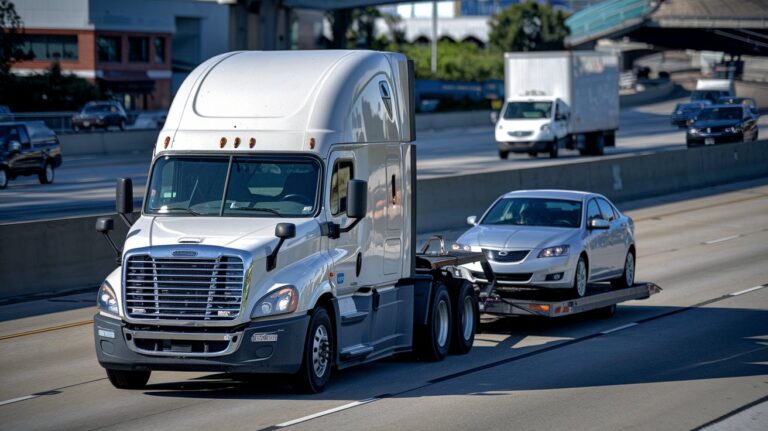
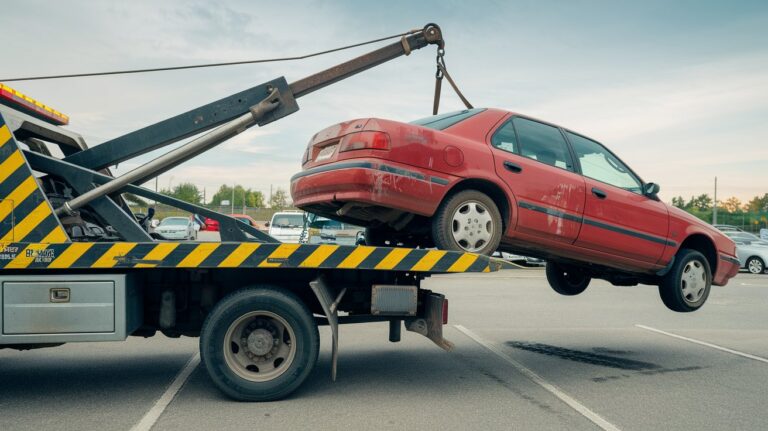
Winching refers to the process of pulling or lifting heavy objects using a mechanical winch system with cables or chains. In vehicle recovery, winching involves using a winch truck or portable winch to extract stuck, damaged, or immobilized vehicles from difficult positions. This essential recovery technique combines mechanical advantage with precise control to safely move heavy loads that would otherwise be impossible to relocate manually.
Understanding Winching Fundamentals
The winch meaning encompasses both the mechanical device and the action of operating it to move heavy objects. A winch consists of a rotating drum powered by electric, hydraulic, or manual mechanisms that winds cable or rope to create pulling force. Professional recovery operations in the United States rely on winching systems capable of generating 8,000 to 35,000 pounds of pulling force, depending on the application and vehicle weight requirements.
Modern winch operations utilize synthetic rope or steel cable configurations, with synthetic options becoming increasingly popular due to their lighter weight and safer failure characteristics. The winching process requires understanding load calculations, proper rigging techniques, and safety protocols to prevent equipment damage or personal injury during recovery operations.
The Basics of Winching Equipment
Professional winch equipment includes the winch motor, drum assembly, cable or synthetic rope, and various rigging accessories like snatch blocks, shackles, and tree savers. Electric winches dominate the vehicle recovery market, offering 12-volt or 24-volt power systems that integrate directly with vehicle electrical systems. Hydraulic winches provide consistent power output regardless of engine RPM, making them ideal for heavy recovery operations involving commercial vehicles and construction equipment.
How Winching Works Mechanically
The winching process converts rotational motor power into linear pulling force through the drum and cable system. As the motor turns the drum, cable winds around the circumference, creating mechanical advantage that multiplies the applied force. Gear reduction systems within the winch housing can provide ratios from 150:1 to 650:1, allowing relatively small motors to generate enormous pulling forces for vehicle recovery applications.
When Winching is Necessary for Vehicle Recovery
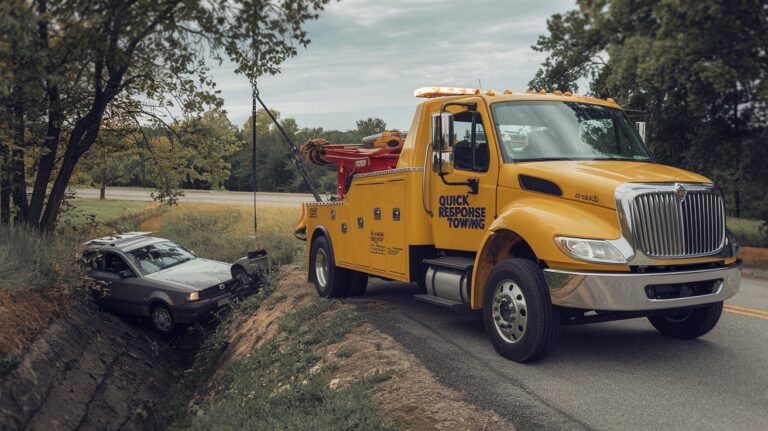
Vehicle recovery situations requiring winching operations include accidents involving rollovers, vehicles stuck in mud or snow, cars trapped in ditches, and disabled vehicles in hazardous locations. Emergency responders and tow operators encounter approximately 6.8 million vehicle breakdowns annually in the United States, with roughly 30% requiring specialized recovery techniques beyond basic towing capabilities.
Winch truck operators assess each situation to determine appropriate recovery angles, anchor points, and rigging configurations. Complex recoveries may require multiple winch points, redirect pulleys, and coordinated lifting to safely extract vehicles without causing additional damage to the vehicle or surrounding property.
Emergency Winching Situations
Highway accidents often create winching scenarios where conventional towing methods prove inadequate. Vehicles that have rolled over, slid down embankments, or become wedged between barriers require careful winch-assisted recovery to prevent further damage. Professional recovery teams use specialized rigging techniques to stabilize vehicles during the extraction process, ensuring safe recovery without compromising accident scene integrity.
Off-Road Recovery Applications
Off-road enthusiasts frequently encounter situations where winching techniques become essential for vehicle extraction from challenging terrain. Mud bogs, steep inclines, rock crawling obstacles, and sand dunes create scenarios where standard vehicle power cannot overcome environmental resistance. Portable winch systems allow off-road drivers to self-recover or assist other vehicles using natural anchor points like trees, rocks, or buried deadman anchors.
Winching Safety Considerations and Best Practices
Professional winching operations require strict adherence to safety protocols to prevent cable failure, equipment damage, and personal injury. The Occupational Safety and Health Administration (OSHA) requires proper training, personal protective equipment, and established safety zones during recovery operations. Cable under tension stores enormous kinetic energy that can cause severe injury or death if the cable fails or rigging components break during operation.
Safe winching practices include maintaining clear zones around tensioned cables, using cable dampeners to reduce whip potential, and conducting thorough equipment inspections before each use. Recovery operators must calculate working load limits, factor safety margins, and select appropriate rigging configurations to ensure safe load transfer throughout the recovery process.
Essential Safety Equipment for Winching
Professional winch operations require personal protective equipment including safety glasses, work gloves, steel-toed boots, and high-visibility clothing. Cable dampeners or recovery blankets should be placed over tensioned lines to reduce cable whip in case of failure. Communication devices ensure coordination between operators and ground personnel during complex recovery operations involving multiple personnel and equipment.
Load Calculation and Rigging Safety
Proper winching technique requires understanding working load limits, safety factors, and load distribution principles. Steel cable typically has a 5:1 safety factor, meaning a 10,000-pound cable should not exceed 2,000 pounds working load. Synthetic rope offers similar strength characteristics with improved safety features, as synthetic materials tend to fall rather than whip when they fail under load.
What Does Winching Mean in Slang Context
The term winching in slang has evolved beyond its mechanical origins to describe various pulling or extraction actions in casual conversation. Some regions use winching to describe complaining or whining, while others apply the term to describe any difficult pulling action. Understanding what does winching mean in slang requires considering regional variations and context, as the term has expanded beyond its original mechanical definition.
In automotive communities, winching slang often refers to any recovery operation, regardless of the specific equipment used. The phrase stop winching typically means to stop complaining or cease a difficult pulling action, depending on the conversational context and regional usage patterns.
Professional Winching Services and Equipment
Commercial winching services in the United States operate specialized recovery vehicles equipped with PTO-driven hydraulic winches, multiple rigging points, and comprehensive tool inventories. Heavy-duty recovery operations require winches capable of 25,000 to 75,000 pounds of pulling force, often supplemented by rotator units that provide 360-degree lifting and positioning capabilities.
Professional recovery companies invest heavily in ongoing training, equipment maintenance, and safety certifications to ensure reliable service delivery. The towing and recovery industry generates approximately $8.9 billion annually in the United States, with specialized heavy recovery services representing a growing segment of the market due to increasing commercial vehicle traffic and infrastructure development projects.
Types of Professional Winch Trucks
Medium-duty winch trucks typically feature 15,000 to 25,000-pound capacity winches mounted on Class 6 or Class 7 chassis. Heavy-duty recovery vehicles utilize Class 8 chassis with dual-winch configurations, outrigger stabilization systems, and specialized rigging compartments. Rotator recovery units combine winching capabilities with hydraulic boom systems for complex lifting and positioning operations.
Choosing the Right Winching Service
Selecting appropriate professional winching services requires evaluating operator certifications, equipment capabilities, and response time commitments. Certified recovery operators maintain training through organizations like the Towing and Recovery Association of America (TRAA), ensuring current knowledge of safety practices and industry standards. Emergency winching services typically maintain 24/7 availability with average response times under 30 minutes in urban areas.
Related video about what does winching mean
This video complements the article information with a practical visual demonstration.
Essential Q&A about what does winching mean
What is the slang term winching mean?
In slang context, winching can mean complaining or whining, particularly in British English. The term has evolved from its mechanical origins to describe various pulling actions or persistent complaining behaviors. Regional variations exist, with some areas using winching to describe any difficult extraction or pulling situation in casual conversation.
What is winching a car?
Winching a car involves using a mechanical winch system to pull or extract a vehicle from a stuck, damaged, or inaccessible position. This process typically requires a winch truck or portable winch unit with sufficient pulling capacity to overcome resistance and safely relocate the vehicle. Professional car winching operations follow strict safety protocols and rigging procedures.
What does it mean to winch something?
To winch something means to pull, lift, or move an object using a mechanical winch device with cable or rope. The process involves winding cable around a powered drum to create pulling force, typically used for heavy objects that cannot be moved manually. Winching operations require proper equipment selection, rigging techniques, and safety considerations.
What does stop winching mean?
Stop winching can mean either halt the mechanical winching operation or cease complaining, depending on context. In mechanical terms, it refers to stopping the winch motor and securing the load. In slang usage, particularly British English, it means to stop whining or complaining about a situation.
How much weight can a winch truck pull?
Professional winch trucks typically handle 8,000 to 75,000 pounds depending on the winch configuration and vehicle class. Medium-duty recovery trucks feature 15,000 to 25,000-pound capacity winches, while heavy-duty units can exceed 50,000 pounds pulling force. Multiple winch points and rigging systems can increase effective pulling capacity for complex recovery operations.
Is winching dangerous?
Winching operations carry significant safety risks due to high-tension cables, heavy loads, and mechanical forces involved. Professional winching requires proper training, safety equipment, and adherence to established protocols to prevent cable failure, equipment damage, and personal injury. OSHA regulations mandate specific safety procedures for commercial winching operations to minimize risk exposure.
| Winching Aspect | Key Details | Primary Benefit |
|---|---|---|
| Vehicle Recovery | 8,000-75,000 lb capacity systems | Safe extraction from difficult positions |
| Professional Service | 24/7 availability, certified operators | Reliable emergency response |
| Safety Protocols | OSHA compliance, proper training | Reduced injury and damage risk |
| Equipment Types | Electric, hydraulic, manual winches | Versatile application options |