Roadside Safety Kit Essentials: Complete 2025 Guide
A roadside safety kit can mean the difference between a minor inconvenience and a dangerous emergency situation. With over 69 million vehicle breakdowns occurring annually in the United States, having the right emergency kit essentials in your car is crucial for driver safety. This comprehensive guide covers everything you need to build an effective roadside emergency kit that will keep you prepared for unexpected situations.
Why You Need a Roadside Emergency Kit
Every driver should carry a roadside safety kit because emergencies happen when you least expect them. According to the American Automobile Association, mechanical failures account for 35% of all roadside assistance calls in 2024. Having essential emergency supplies readily available can help you handle situations safely while waiting for professional help.
The importance of preparation extends beyond simple breakdowns. Weather-related incidents, flat tires, dead batteries, and minor accidents all require specific tools and safety equipment to manage effectively. A well-stocked emergency kit provides peace of mind and can potentially save lives during critical moments on the road.
Legal and Insurance Benefits
Many insurance companies offer discounts for drivers who maintain comprehensive emergency kits in their vehicles. Additionally, some states recommend specific safety equipment, and having a complete roadside kit demonstrates responsible driving habits that can benefit you legally if accidents occur.
Cost-Effectiveness of Prevention
Investing in roadside safety kit essentials typically costs between $50-150, while emergency roadside service calls can range from $100-300 per incident. A complete kit pays for itself after preventing just one expensive service call, making it a smart financial decision for any driver.
Essential Items for Your Roadside Safety Kit
Building an effective emergency kit requires careful selection of tools and supplies that address the most common roadside situations. The Federal Emergency Management Agency recommends maintaining supplies for at least 72 hours, though roadside kits focus on immediate safety and basic repairs until professional help arrives.
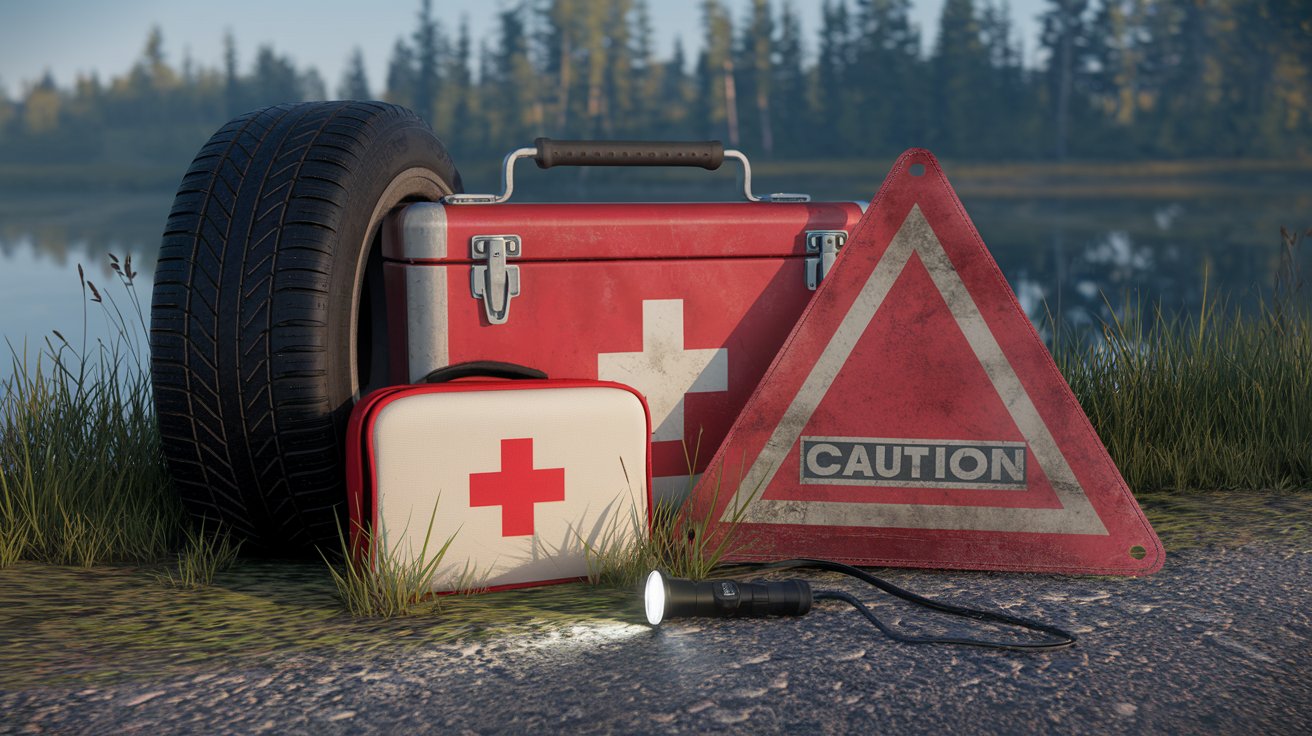
Your roadside emergency kit should include items from several categories: safety visibility, basic tools, first aid supplies, communication devices, and comfort items. Each category serves a specific purpose in keeping you safe and prepared during various emergency scenarios.
Safety and Visibility Equipment
Reflective triangles or flares are critical safety essentials that alert other drivers to your presence. Modern LED flares are safer than traditional pyrotechnic versions and last longer. Include bright orange safety vests for each family member, as visibility is paramount when working near traffic. A powerful flashlight with extra batteries rounds out this essential safety category.
Basic Automotive Tools
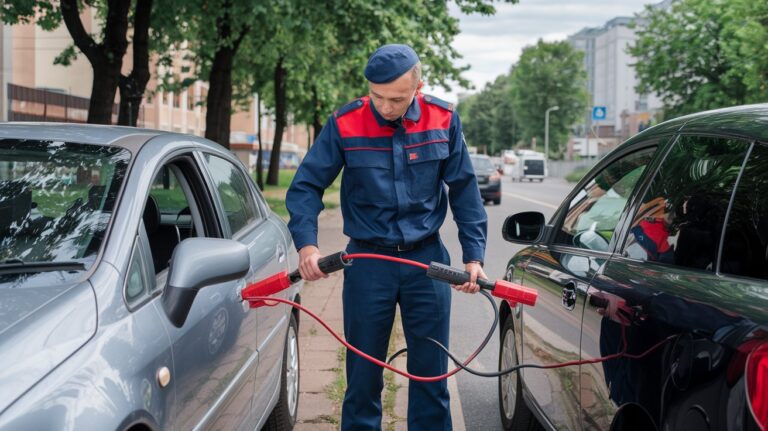
Every car emergency kit needs jumper cables rated for your vehicle’s engine size, typically 12-gauge cables for most passenger cars. Include a tire pressure gauge, basic screwdriver set, adjustable wrench, and tire sealant for temporary repairs. A portable air compressor that plugs into your 12V outlet can handle minor tire pressure issues without requiring professional assistance.
Communication and Documentation
A fully charged portable phone charger ensures your communication devices remain functional during emergencies. Include emergency contact numbers, insurance information, and vehicle registration in waterproof containers. Consider a basic two-way radio as backup communication, especially important in areas with poor cellular coverage across the United States.
First Aid and Medical Supplies
Medical emergencies can accompany vehicle breakdowns, making first aid supplies essential components of any roadside safety kit. The American Red Cross recommends specific medical supplies tailored for automotive emergencies, focusing on treating cuts, burns, and minor injuries that commonly occur during roadside repairs.
Your medical kit should address both minor injuries and provide comfort during extended waiting periods. Include medications for common issues like headaches or allergies, especially important when traveling long distances across different climate zones in the United States.
Basic Medical Essentials
Pack adhesive bandages in various sizes, antiseptic wipes, gauze pads, medical tape, and instant cold packs for injuries. Include pain relievers, any personal prescription medications, and emergency blankets for shock or temperature regulation. These medical supplies handle most common roadside injuries effectively.
Comfort and Extended Wait Items
Emergency situations often involve lengthy waits for assistance. Include water bottles, non-perishable snacks, emergency blankets, and basic hygiene items. These comfort essentials maintain morale and physical well-being during stressful roadside situations, particularly important for families traveling with children.
Seasonal Considerations for Emergency Kits
Winter car emergency kits require additional items to handle cold weather challenges that affect millions of American drivers annually. The National Weather Service reports that winter weather contributes to over 150,000 vehicle accidents each year, emphasizing the importance of seasonal preparedness.
Summer travel presents different challenges, including overheating, increased tire pressure issues, and dehydration risks. Adjusting your roadside safety kit essentials for seasonal conditions ensures optimal preparation regardless of weather conditions.
Winter Weather Preparations
Cold weather emergency kits need ice scrapers, snow brushes, extra warm clothing, hand warmers, and cat litter or sand for traction. Include antifreeze, winter-grade motor oil, and a folding shovel. These items help manage the unique challenges of winter driving conditions common across northern United States regions.
Summer Heat Preparations
Hot weather requires additional water supplies, cooling towels, extra engine coolant, and sun protection items. Include electrolyte packets to prevent dehydration and extra sunscreen. These summer essentials address overheating issues that frequently occur during peak travel seasons across the southern and western United States.
Maintenance and Updates for Your Emergency Kit
Regular maintenance ensures your roadside emergency kit remains effective when needed most. The National Safety Council recommends inspecting emergency supplies every six months, replacing expired items, and updating seasonal components as weather patterns change throughout the year.
Proper storage prevents damage from temperature extremes and humidity that can affect the reliability of emergency supplies. Creating a maintenance schedule helps ensure all safety essentials remain in working condition when emergencies arise unexpectedly.
Regular Inspection Schedule
Check battery-powered devices quarterly, replace expired medications and food items, and test emergency equipment functionality. Update emergency contact information and insurance documents annually. This systematic approach maintains the reliability of your emergency preparedness supplies throughout their operational lifespan.
Proper Storage Solutions
Store your car emergency kit in waterproof containers that fit securely in your trunk or cargo area. Organize items by category for quick access during stressful situations. Label containers clearly and consider using clear storage bins that allow visual inventory checks without complete unpacking.
Best Practices for Emergency Kit Assembly
Creating an effective homemade car survival kit requires balancing comprehensiveness with practical storage limitations. Focus on multi-purpose items that serve several functions while maintaining compact storage requirements. Quality matters more than quantity when selecting emergency supplies for your vehicle.
Consider your typical driving patterns, common routes, and family needs when customizing your kit. Urban drivers may prioritize different items compared to rural drivers who travel longer distances between services. Tailor your roadside safety kit essentials to match your specific driving circumstances and regional challenges.
Related video about roadside safety kit essentials
This video complements the article information with a practical visual demonstration.
Essential Q&A about roadside safety kit essentials
What do you need in a roadside emergency kit?
A complete roadside emergency kit should include safety visibility items (flares, reflective triangles), basic tools (jumper cables, tire pressure gauge), first aid supplies, communication devices, water, snacks, and emergency blankets. The specific contents depend on your climate, driving patterns, and vehicle type, but these essentials address the most common roadside emergencies.
What are the 10 essential survival kit items?
The top 10 essential items are: jumper cables, tire pressure gauge, reflective triangles or flares, first aid kit, flashlight with extra batteries, multi-tool, emergency blankets, water bottles, non-perishable snacks, and a portable phone charger. These items address immediate safety, basic repairs, medical needs, and communication during emergencies.
What should be included in a safety kit?
A comprehensive safety kit includes visibility equipment (reflective vests, flares), medical supplies (bandages, antiseptics, medications), communication tools (charged phone, emergency contacts), basic automotive tools, weather protection items, and comfort supplies for extended waits. Seasonal items like ice scrapers or extra coolant should be added based on climate conditions.
What are the 5 essentials for an emergency kit?
The five most critical essentials are: jumper cables for battery issues, reflective triangles for visibility and safety, a comprehensive first aid kit for medical emergencies, a reliable flashlight for illumination, and emergency water for hydration. These items address the most common and dangerous aspects of roadside emergencies.
How often should I update my roadside emergency kit?
Inspect your emergency kit every six months, replacing expired medications, food items, and batteries. Update seasonal items twice yearly when transitioning between summer and winter preparations. Check emergency contact information annually and replace any damaged or used supplies immediately after incidents to maintain kit completeness.
Where should I store my emergency kit in my car?
Store your emergency kit in your trunk or cargo area in waterproof, organized containers that won’t shift during driving. Keep frequently needed items like jumper cables easily accessible, while storing seasonal items can be placed in less accessible areas. Ensure storage doesn’t interfere with spare tire access or block emergency equipment.
| Kit Category | Essential Items | Primary Benefit |
|---|---|---|
| Safety & Visibility | Reflective triangles, flares, safety vests | Prevents secondary accidents |
| Basic Tools | Jumper cables, tire gauge, multi-tool | Enables self-rescue repairs |
| Medical Supplies | First aid kit, medications, bandages | Treats injuries immediately |
| Communication | Phone charger, emergency contacts | Maintains rescue coordination |
| Comfort Items | Water, snacks, blankets | Sustains health during waits |