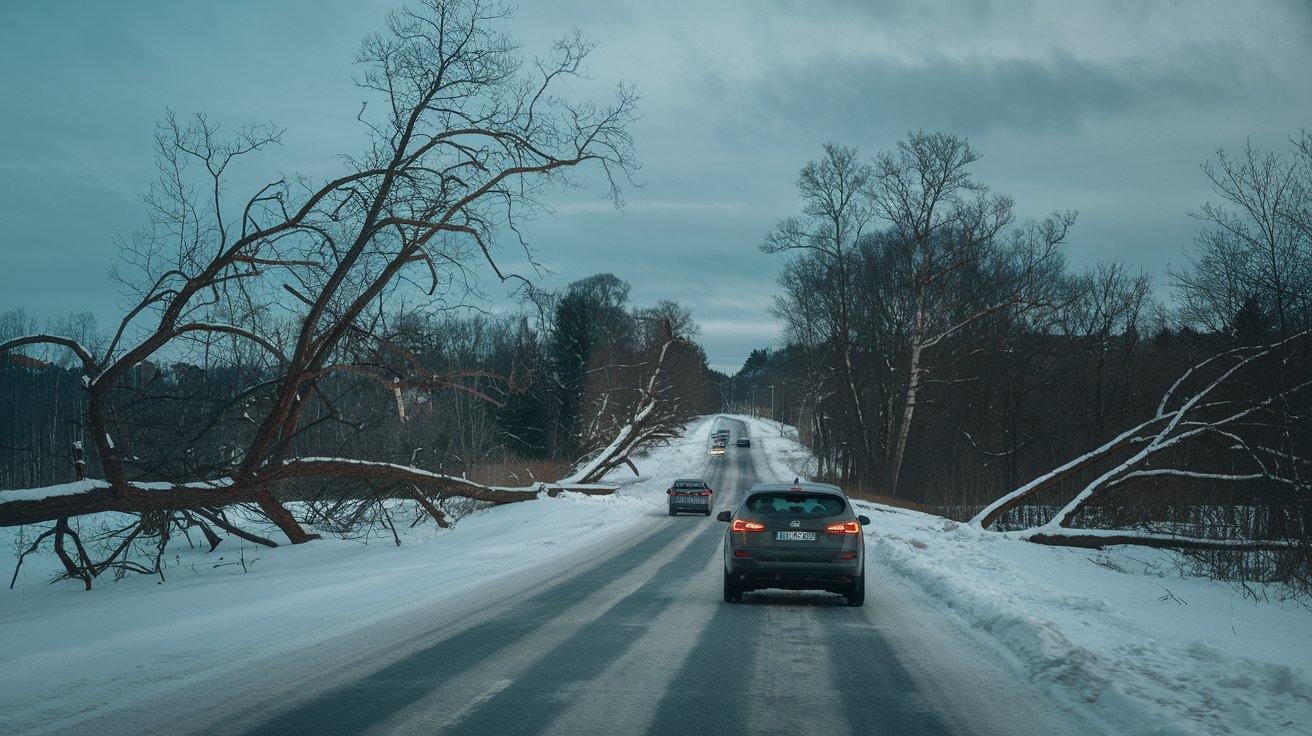
Winter Driving Tips Minnesota: Essential 2025 Safety Guide
Navigating Minnesota winter driving requires specialized knowledge and preparation to handle the state’s notorious harsh conditions. With temperatures dropping to -30°F and snowfall exceeding 70 inches annually in northern regions, Minnesota drivers face some of the most challenging winter conditions in the United States. This comprehensive guide provides essential winter driving tips for Minnesota residents, covering everything from vehicle preparation to emergency protocols that can save lives during the 2024-2025 winter season.
Essential Vehicle Preparation for Minnesota Winter Driving
Proper vehicle preparation forms the foundation of safe Minnesota winter driving. Your vehicle must be equipped to handle temperatures that can plummet to -40°F with wind chill, along with snow accumulations that can reach 12 inches overnight. Start by checking your battery, as cold weather reduces battery capacity by up to 50%. Ensure your battery terminals are clean and your battery is less than three years old for optimal performance during frigid Minnesota winters.
Your tires represent the critical connection between your vehicle and icy Minnesota roads. Winter tires should be installed when temperatures consistently drop below 45°F, typically by mid-October in northern Minnesota. These specialized tires maintain flexibility in cold temperatures and feature deeper treads designed for snow and ice traction. Check tire pressure weekly, as tires lose approximately 1 PSI for every 10-degree temperature drop, and maintain proper tread depth of at least 4/32 inches for winter conditions.
Critical Fluid Checks and Maintenance
Engine fluids require special attention for Minnesota winter driving conditions. Switch to a lower viscosity motor oil, typically 0W-20 or 5W-30, to ensure proper engine lubrication during cold starts when temperatures drop below zero. Check your antifreeze mixture to ensure it’s rated for at least -30°F protection, as inadequate antifreeze can cause catastrophic engine damage when temperatures reach Minnesota’s extreme lows. Replace windshield washer fluid with a winter formula rated to -20°F to prevent freezing and maintain visibility during snow and ice storms.
Emergency Kit Assembly for Minnesota Conditions
A comprehensive emergency kit becomes essential for winter driving in Minnesota, where help may be hours away during blizzards. Your kit should include a winter-rated sleeping bag, extra clothing layers, high-energy food bars, and at least one gallon of water per person. Include a portable phone charger, flashlight with extra batteries, ice scraper with extendable handle, small shovel, sand or kitty litter for traction, and reflective triangles. Minnesota State Patrol recommends keeping these supplies from October through April, as winter conditions can persist well into spring.
Mastering Snow and Ice Driving Techniques
Understanding proper winter driving techniques for Minnesota roads can mean the difference between arriving safely and becoming stranded. The key principle involves smooth, gradual inputs for all vehicle controls – acceleration, braking, and steering. Sudden movements on snow and ice cause loss of traction, leading to skids and potential accidents. Practice the gentle acceleration technique by gradually pressing the gas pedal to prevent wheel spin, especially when starting from a complete stop at intersections or traffic lights.
Braking techniques require special consideration on Minnesota winter roads. Apply brakes gently and earlier than normal, allowing extra distance for stopping on slippery surfaces. If your vehicle has anti-lock brakes (ABS), apply firm, steady pressure and allow the system to work – never pump ABS brakes. For vehicles without ABS, use the threshold braking technique by applying pressure just short of wheel lockup. Increase your following distance to at least 8-10 seconds, as stopping distances can increase by 300% on icy roads.
Handling Skids and Loss of Control
When your vehicle begins to skid on Minnesota ice and snow, remain calm and follow the proven recovery technique. For rear-wheel skids, gently steer in the direction you want the front of the car to go, while easing off the accelerator. Avoid overcorrection, which can cause the vehicle to fishtail in the opposite direction. For front-wheel skids, ease off the accelerator and wait for the front tires to regain traction before gently steering back on course. Never slam on brakes during a skid, as this will worsen the situation and potentially cause a complete loss of control.
Navigating Hills and Steep Grades
Minnesota’s terrain includes challenging hills that become treacherous during winter driving conditions. When approaching uphill grades, maintain steady momentum without accelerating on the incline itself, as this can cause wheel spin and loss of traction. For downhill sections, use engine braking by downshifting to a lower gear before descending, reducing reliance on wheel brakes that can cause skidding. If you begin sliding downhill, keep your foot off the brake pedal and steer gently in your intended direction while allowing the vehicle to slow naturally through engine braking and friction.
AWD vs 4WD: Optimal Drive Systems for Minnesota
Understanding the differences between all-wheel drive (AWD) and four-wheel drive (4WD) systems helps Minnesota winter drivers choose the best option for their needs. AWD systems automatically distribute power to all four wheels as needed, making them ideal for varying winter conditions encountered on Minnesota highways and city streets. These systems excel in light to moderate snow conditions and provide better fuel economy than traditional 4WD systems while requiring minimal driver intervention.
Four-wheel drive systems offer superior capability for severe Minnesota winter conditions, including deep snow and extreme ice situations. Traditional 4WD systems with low-range gearing provide maximum traction for challenging off-road situations or when navigating unplowed rural roads common in northern Minnesota. However, 4WD systems typically consume more fuel and require manual engagement. For most Minnesota drivers, AWD provides the optimal balance of capability, convenience, and fuel efficiency for typical winter driving scenarios.
Understanding Minnesota Weather Patterns and Road Conditions
Successful winter driving in Minnesota requires understanding the state’s unique weather patterns and how they affect road conditions. Minnesota experiences three distinct winter weather zones: the southern region with moderate snowfall averaging 30-40 inches annually, the central region receiving 40-50 inches, and the northern arrowhead region that can exceed 70 inches per season. Lake-effect snow from Lake Superior creates localized heavy snowfall bands that can produce whiteout conditions with little warning.
Monitor Minnesota Department of Transportation (MnDOT) road condition reports and weather forecasts before traveling. The state operates an extensive network of road weather information systems providing real-time updates on pavement temperature, visibility, and surface conditions. Black ice forms most commonly during temperature fluctuations around the freezing point, particularly on bridges, overpasses, and shaded road sections that freeze first and thaw last.
Recognizing Dangerous Winter Weather Warnings
The National Weather Service issues specific warnings that Minnesota winter drivers must understand and respect. Winter Storm Warnings indicate heavy snow, ice, or blizzard conditions with significant travel impacts expected. Blizzard Warnings mean sustained winds exceeding 35 mph with snow reducing visibility to less than a quarter mile for three hours or more. During these conditions, Minnesota State Patrol strongly advises against all non-essential travel, as rescue operations become extremely difficult and dangerous for emergency responders.
Temperature Impact on Road Surfaces
Understanding how temperature affects Minnesota road conditions helps drivers adjust their techniques accordingly. Pavement becomes most slippery when temperatures hover around 32°F, as ice begins melting and refreezing. Extremely cold temperatures below 10°F can actually provide better traction on packed snow surfaces, though ice remains extremely hazardous. Wind chill factors significantly impact visibility and vehicle handling, with sustained winds above 25 mph creating dangerous driving conditions even without active precipitation.
Safe Speed and Distance Management
Proper speed management represents one of the most critical aspects of safe winter driving in Minnesota. Posted speed limits assume ideal road conditions, making them inappropriate for snow and ice situations. Reduce your speed by 25-50% from posted limits when roads are snow-covered, and decrease further on ice-covered surfaces. The Minnesota State Patrol reports that excessive speed for conditions causes over 40% of winter weather-related crashes, emphasizing the importance of speed adjustment.
Following distance management becomes even more crucial during Minnesota winter driving. Increase your normal following distance from 3 seconds to at least 8-10 seconds on snow-covered roads, and up to 15 seconds on ice. This extended distance accounts for dramatically increased stopping distances and provides additional reaction time for unexpected situations. Use fixed objects like signs or bridges to count seconds between when the vehicle ahead passes the object and when you reach the same point.
Visibility and Lighting Considerations
Maintaining optimal visibility during Minnesota winter storms requires multiple strategies and proper equipment. Snow and ice accumulation on windows, mirrors, and lights creates dangerous blind spots and reduces your visibility to other drivers. Clear all snow and ice from your entire vehicle before driving, including the roof, hood, and all lights. Minnesota law requires drivers to clear snow from their vehicles to prevent it from blowing onto other vehicles or obstructing their own vision.
Use appropriate lighting techniques for winter driving conditions in Minnesota. Keep headlights on during all daylight winter driving to increase your visibility to other drivers. Use low-beam headlights during snow or fog conditions, as high beams reflect off precipitation and reduce visibility. Ensure all exterior lights function properly and consider upgrading to brighter LED headlights for improved illumination of snow-covered roads during Minnesota’s shortened winter daylight hours.
Dealing with Fogged Windows
Window fogging creates significant safety hazards during Minnesota winter driving. Use your vehicle’s defrost system effectively by directing airflow to windshield and side windows while using air conditioning to remove moisture from the cabin air. Keep a clean cloth in your vehicle to quickly clear interior fog that may develop during temperature changes. Slightly crack windows when safe to do so, allowing air circulation that prevents fog buildup while maintaining cabin warmth.
Managing Snow Glare and Whiteout Conditions
Snow glare from bright sunshine on fresh snow can create dangerous driving conditions across Minnesota’s winter landscape. Wear quality sunglasses with UV protection to reduce glare and eye strain during bright winter days. During whiteout conditions with blowing snow, reduce speed dramatically and consider pulling safely off the roadway to wait for conditions to improve. If you must continue driving, use road edge markers and painted lines as navigation guides while maintaining extremely low speeds.
Emergency Procedures and Getting Unstuck
Every Minnesota winter driver should understand proper procedures for vehicle emergencies and getting unstuck from snow. If your vehicle becomes stuck, avoid spinning the tires excessively, as this creates polished ice that reduces traction further. Rock the vehicle gently by shifting between forward and reverse while applying minimal throttle. Straighten the wheels and clear snow from around the tires, exhaust pipe, and air intake to prevent carbon monoxide buildup.
When calling for help during Minnesota winter emergencies, provide specific location information including highway numbers, mile markers, or nearby intersections. Keep your phone charged and consider a portable battery pack for extended emergency situations. If stranded overnight, run the engine periodically for heat while ensuring the exhaust pipe remains clear of snow. Crack a window slightly for ventilation and avoid overexertion when digging, as heart attacks increase during snow removal activities in cold weather.
Planning Safe Winter Travel Routes
Strategic route planning significantly improves safety for Minnesota winter driving. Choose major highways and well-traveled routes that receive priority snow plowing and treatment. Avoid back roads, rural routes, and shortcuts during active winter weather, as these roads often remain unplowed for hours or days after storms. Plan departure times to avoid early morning and late evening hours when temperatures are lowest and ice formation is most likely.
Check current road conditions using MnDOT’s 511 system and mobile applications before departing for any winter travel in Minnesota. Allow extra travel time – typically double your normal travel time during active snow conditions. Identify alternative routes and safe stopping points along your planned route, including rest areas, truck stops, and towns where you could seek shelter if conditions deteriorate unexpectedly.
Related video about winter driving tips minnesota
This video complements the article information with a practical visual demonstration.
Everything you need to know about winter driving tips minnesota
How should you drive in Minnesota during winter conditions?
Drive in Minnesota winter by reducing speed by 25-50%, increasing following distance to 8-10 seconds, using gentle inputs for all controls, and maintaining proper winter tires. Keep emergency supplies, monitor weather conditions, and avoid sudden movements that can cause skids on ice and snow.
What are the 3 P’s of winter driving?
The 3 P’s of winter driving are Prepare (vehicle maintenance and emergency kit), Practice (gradual controls and skid recovery techniques), and Plan (route selection and weather monitoring). These principles help Minnesota drivers navigate safely through harsh winter conditions.
What are 5 essential things to do when driving during Minnesota winter?
Five essential winter driving practices include: clearing all snow and ice from your vehicle, reducing speed for conditions, increasing following distance, using gentle acceleration and braking inputs, and carrying emergency supplies. These techniques prevent accidents and ensure survival during Minnesota’s extreme winter weather.
Is AWD or 4WD better for Minnesota winter driving?
AWD is generally better for most Minnesota winter driving, providing automatic traction distribution with better fuel economy and convenience. 4WD offers superior capability for extreme conditions like deep snow and ice, but requires manual engagement and consumes more fuel. Choose based on your typical driving conditions.
When should you install winter tires in Minnesota?
Install winter tires in Minnesota when temperatures consistently drop below 45°F, typically by mid-October. Winter tires maintain flexibility in cold temperatures and provide superior traction on snow and ice compared to all-season tires, significantly improving safety during Minnesota’s harsh winter conditions.
What emergency supplies should Minnesota drivers carry in winter?
Minnesota winter emergency kits should include winter-rated sleeping bag, extra clothing, high-energy food, water, phone charger, flashlight, ice scraper, small shovel, sand or kitty litter, and reflective triangles. These supplies can be life-saving during blizzards when help may be hours away.
| Winter Driving Element | Minnesota-Specific Requirements | Safety Benefits |
|---|---|---|
| Winter Tires | Install by mid-October, maintain 4/32 tread depth | Improved traction on snow and ice surfaces |
| Following Distance | 8-10 seconds on snow, 15 seconds on ice | Prevents rear-end collisions from extended stopping distances |
| Emergency Kit | Winter-rated supplies for -30°F conditions | Survival capability during extended stranding |
| Speed Reduction | 25-50% below posted limits for conditions | Maintains vehicle control on slippery surfaces |
| Route Planning | Use MnDOT 511 system and major highways | Avoids unplowed roads and dangerous conditions |