How to Stop a Tow Truck Legally: Your Rights & Defense Guide
Getting your car towed can be frustrating and expensive, but understanding how to stop a tow truck legally can save you hundreds of dollars in fees. In 2024, Americans paid over $2.3 billion in towing and storage fees, with many tows being improper or illegal. This comprehensive guide reveals your legal rights and proven strategies to prevent unlawful vehicle towing while staying within the bounds of the law.
Legal Rights When Facing a Tow Truck
Understanding your legal rights against towing companies is crucial for protecting yourself from improper vehicle removal. Under federal and state laws, you have specific protections that towing operators must respect. The Fair Debt Collection Practices Act and various state consumer protection laws provide frameworks for challenging wrongful tows.
In most states, you have the right to stop a tow truck legally if the towing is occurring without proper authorization, on private property where you have permission to park, or when proper signage isn’t displayed. However, these rights vary significantly by jurisdiction, making it essential to understand your local laws before taking action.
When You Can Legally Intervene
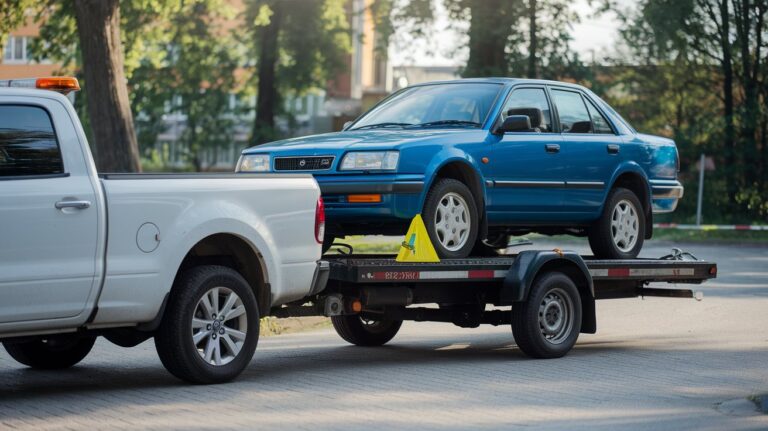
You can legally stop your car from being towed in several specific situations. If your vehicle hasn’t been completely lifted or secured to the tow truck, most states allow you to reclaim it by paying a drop fee, typically ranging from $50 to $150. This right exists because the towing process isn’t considered complete until the vehicle is fully secured and ready for transport.
Documentation Requirements for Towing Companies
Legitimate towing companies must provide proper documentation when removing vehicles. This includes authorization from property owners for private property tows, or law enforcement approval for abandoned vehicle removal. If a towing company cannot produce required documentation, you may have grounds to legally challenge the tow and demand immediate release of your vehicle.
State-Specific Legal Protections
Laws governing how to stop a tow truck legally vary dramatically across states, with some offering stronger consumer protections than others. Understanding your state’s specific regulations is essential for effectively exercising your rights and avoiding legal complications when confronting towing operators.
How to Stop a Tow Truck Legally in California
California provides robust consumer protections for vehicle owners facing towing situations. Under California Vehicle Code Section 22658, you can stop a tow truck legally in California if proper signage isn’t posted, if you arrive before the vehicle leaves the property, or if the towing is occurring outside authorized hours. The state requires 17-point font minimum for no-parking signs and specific language to make tows legally enforceable.
How to Stop a Tow Truck Legally in Texas
Texas law allows property owners and their agents to authorize tows, but strict notification requirements exist. You can stop a tow truck legally in Texas if the towing company cannot prove authorization, if required signage is missing or inadequate, or if you’re the vehicle owner and arrive before the tow is completed. Texas requires towing companies to accept payment and release vehicles before removal is complete.
How to Stop a Tow Truck Legally in Florida
Florida’s towing laws focus heavily on proper signage and notification requirements. To stop a tow truck legally in Florida, verify that warning signs meet state specifications including size, placement, and wording requirements. Florida law also mandates that towing companies maintain detailed records and provide itemized invoices, giving you multiple avenues to challenge improper tows through documentation review.
Anti-Towing Measures and Prevention Strategies
Implementing effective anti-towing measures can prevent your vehicle from being improperly removed while staying within legal boundaries. These strategies focus on making your parking legitimate and creating barriers that complicate unauthorized towing attempts without violating property laws or creating safety hazards.
Legal Anti-Towing Devices
Several anti-towing devices can legally protect your vehicle from unauthorized removal. Wheel locks, tire boots, and steering wheel clubs create physical barriers that require additional time and effort to remove, often deterring opportunistic towing. However, these devices must not damage property or create safety hazards, and some jurisdictions restrict their use in certain parking situations.
Documentation and Evidence Collection
Proper documentation serves as your strongest defense against towing companies that operate improperly. Photograph parking signs, your vehicle’s position, timestamps, and any relevant permits or authorizations. This evidence becomes crucial when filing complaints or challenging towing fees, as it provides concrete proof of compliance with parking regulations and proper vehicle placement.
What Can Stop a Tow Truck From Towing Your Car
Several factors can legally prevent your car from being towed, ranging from technical violations by the towing company to your immediate presence during the towing attempt. Understanding these factors empowers you to take appropriate action when facing an improper tow situation.
Payment of outstanding fees, proof of authorized parking, demonstration of mechanical breakdown, or evidence of improper signage can all serve as valid reasons to stop a tow truck from removing your vehicle. Additionally, if you arrive while your car is being prepared for towing but before it’s fully secured, most states require the towing company to release it upon payment of a drop fee.
How to File a Complaint Against a Towing Company
When towing companies operate improperly, filing formal complaints provides recourse and helps protect other consumers from similar experiences. Most states maintain regulatory bodies that oversee towing operations and investigate consumer complaints about improper practices.
To effectively file a complaint against a towing company, gather all relevant documentation including receipts, photographs, witness statements, and correspondence with the company. Contact your state’s consumer protection agency, local business licensing department, and Better Business Bureau to report violations and seek resolution of disputes.
State Regulatory Agencies
Each state maintains specific agencies responsible for regulating towing companies and investigating consumer complaints. These agencies have authority to investigate violations, impose fines, and revoke licenses for companies that operate outside legal boundaries. Filing complaints with appropriate regulatory bodies creates official records and may trigger investigations that benefit all consumers in your area.
Legal Action and Small Claims Court
When informal resolution fails, small claims court provides an accessible venue for recovering damages from improper towing. Most states allow consumers to sue towing companies for wrongful tows, seeking compensation for towing fees, storage charges, and related damages. Success in small claims court requires proper documentation and clear evidence of legal violations by the towing company.
Common Towing Violations and How to Identify Them
Recognizing common towing violations helps you identify when you have grounds to legally stop a tow truck or challenge an improper removal. These violations often involve inadequate signage, unauthorized towing, improper procedures, or failure to follow state-mandated protocols.
Frequent violations include towing from properties without proper authorization, inadequate warning signage, towing during prohibited hours, and failure to accept payment for vehicle release. Understanding these violations enables you to quickly assess whether a towing situation is legitimate and take appropriate action to protect your rights and get your car back.
Related video about how to stop a tow truck legally
This video complements the article information with a practical visual demonstration.
Key Questions and Answers
Can you legally stop a tow truck from taking your car?
Yes, you can legally stop a tow truck in specific situations. If your vehicle hasn’t been fully secured to the tow truck, most states allow you to reclaim it by paying a drop fee. You can also legally intervene if the towing company lacks proper authorization, required signage is missing, or the tow violates local regulations. However, you must remain calm and avoid physical interference with the towing equipment or operator.
What are the most effective anti-towing measures?
Legal anti-towing measures include using wheel locks or steering wheel clubs, parking in well-lit areas with proper authorization, and maintaining current registration and insurance documentation. Photographing your parking situation and nearby signage provides evidence if disputes arise. The most effective strategy is ensuring you park legally with proper permits or authorization from property owners.
How do I get a towing company in trouble for improper practices?
File complaints with your state’s consumer protection agency, local business licensing department, and Better Business Bureau. Document all violations with photographs, receipts, and witness statements. Contact your state’s towing regulatory body to report license violations. For significant damages, consider small claims court action to recover fees and seek damages for wrongful towing practices.
What stops a tow truck from being able to tow your vehicle?
Several factors can prevent legal towing including lack of proper authorization from property owners, inadequate or missing warning signage, your presence before the vehicle is fully secured, payment of outstanding violations, or proof of legitimate parking permission. Mechanical breakdown, medical emergencies, or active loading/unloading may also prevent immediate towing depending on local laws.
Are there legal consequences for preventing a legitimate tow?
Interfering with a legitimate tow can result in charges for obstruction, trespassing, or interfering with business operations. However, exercising your legal rights to challenge improper towing through proper channels carries no legal consequences. Always verify the legitimacy of a tow through documentation review and avoid physical interference with towing equipment or personnel to stay within legal boundaries.
| Legal Strategy | When Applicable | Success Rate |
|---|---|---|
| Drop Fee Payment | Vehicle not fully secured | 95% effective |
| Documentation Challenge | Missing authorization or signage | 80% effective |
| Regulatory Complaint | Ongoing violations | 75% resolution rate |
| Small Claims Court | Clear legal violations | 70% win rate |