Commercial Vehicle Recovery Services – 24/7 Expert Towing USA
When commercial vehicles break down or face emergencies, professional recovery services become essential for maintaining business operations. Commercial vehicle recovery encompasses specialized towing, roadside assistance, and emergency response services designed specifically for trucks, buses, delivery vans, and fleet vehicles across the United States. These services ensure minimal downtime and safe vehicle transportation.
Types of Commercial Vehicle Recovery Services
Professional commercial vehicle recovery services encompass multiple specialized categories designed to handle different vehicle sizes and emergency situations. The industry has evolved significantly in 2024-2025, with advanced equipment and improved response times becoming standard across the United States. Recovery services now utilize GPS tracking, real-time dispatch systems, and specialized equipment to ensure efficient operations.
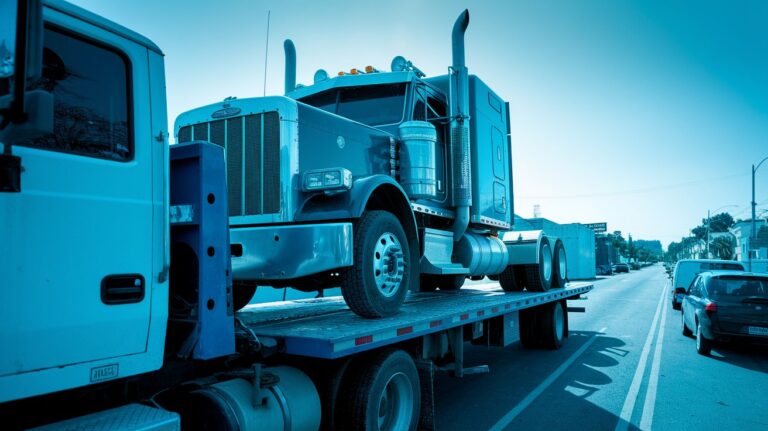
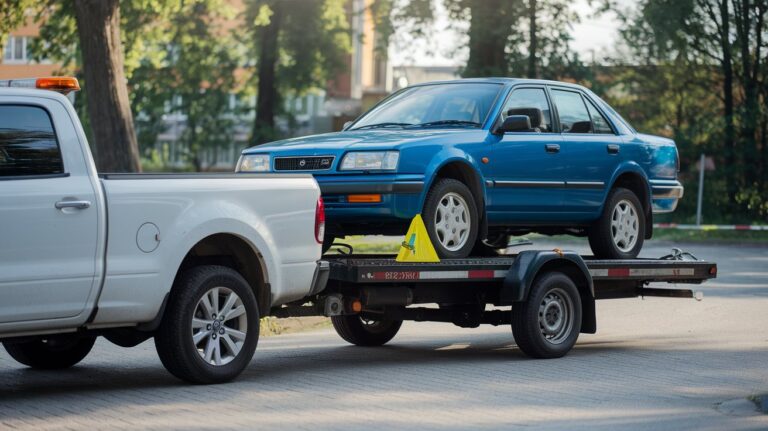
The recovery vehicle fleet includes light-duty tow trucks for smaller commercial vehicles, medium-duty wreckers for delivery trucks, and heavy-duty recovery units capable of handling full-size commercial trucks and buses. Each type of service requires specific equipment, trained operators, and appropriate licensing to ensure safe and legal operations.
Light-Duty Commercial Recovery
Light-duty vehicle recovery services handle commercial vehicles weighing up to 10,000 pounds, including delivery vans, small box trucks, and commercial pickups. These services typically cost between $100-$300 in most US markets during 2025, depending on distance and complexity. Recovery operators use wheel-lift or flatbed tow trucks to safely transport these vehicles without causing additional damage.
Medium-Duty Recovery Operations
Medium-duty commercial recovery handles vehicles between 10,000-26,000 pounds, including larger delivery trucks, ambulances, and small buses. The cost for medium-duty recovery ranges from $200-$500 across different US regions. These operations require specialized equipment and trained operators familiar with air brake systems, multiple axles, and complex mechanical systems.
Heavy-Duty Commercial Recovery
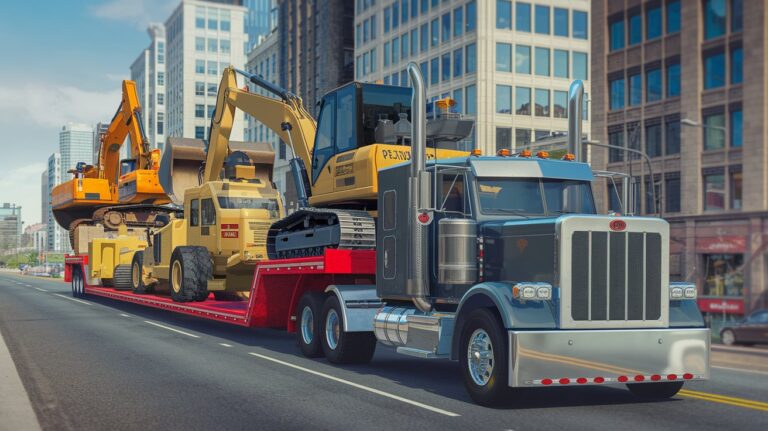
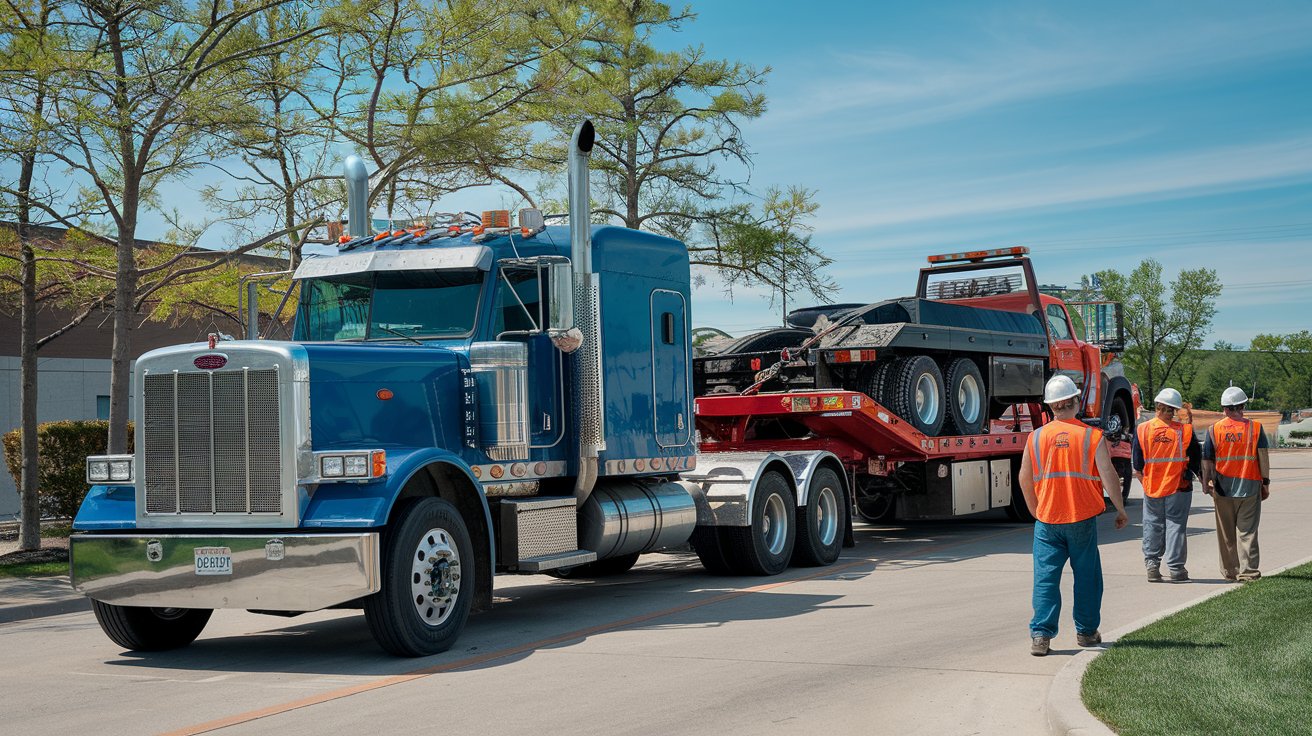
Heavy-duty recovery services handle the largest commercial vehicles, including semi-trucks, city buses, and construction equipment over 26,000 pounds. Recovery costs can range from $500-$2,000 depending on vehicle size, location, and complexity. These operations often require multiple recovery vehicles, specialized winching equipment, and extensive traffic management protocols.
Emergency 24/7 Commercial Vehicle Assistance
Round-the-clock emergency assistance represents a critical component of commercial vehicle recovery services, with response times averaging 30-45 minutes in major US metropolitan areas during 2025. Emergency services include jump-starts, tire changes, fuel delivery, lockout assistance, and minor mechanical repairs performed roadside. Many commercial recovery companies now offer mobile repair units equipped with diagnostic equipment and common replacement parts.
The integration of mobile technology has revolutionized emergency response, with many services offering mobile apps that allow fleet managers to request assistance, track recovery vehicle locations, and receive real-time updates. GPS tracking and automated dispatch systems have reduced response times by an average of 20% compared to traditional phone-based systems.
Commercial Vehicle Recovery Procedures
Professional vehicle recovery procedure protocols ensure safe and efficient operations while minimizing risks to recovery personnel, other motorists, and the commercial vehicle being recovered. Standard procedures begin with scene assessment, proper positioning of recovery vehicles, and establishment of appropriate traffic control measures. Recovery operators must follow Department of Transportation regulations and state-specific guidelines for commercial vehicle operations.
The recovery process includes vehicle inspection, documentation of existing damage, selection of appropriate recovery methods, and proper securing of the commercial vehicle during transport. Modern recovery operations utilize digital documentation systems, including photos and condition reports, to protect both the recovery company and vehicle owner from liability issues.
Safety Protocols and Regulations
Commercial vehicle recovery operations must comply with Federal Motor Carrier Safety Administration (FMCSA) regulations, state transportation departments, and local traffic laws. Recovery vehicles must display proper warning lights, maintain appropriate insurance coverage, and operators must possess commercial driver’s licenses when required. Safety protocols include proper use of personal protective equipment, traffic control devices, and communication with emergency services when necessary.
Documentation and Liability Management
Comprehensive documentation protects all parties involved in commercial vehicle recovery operations. Standard documentation includes pre-recovery condition reports, photographs, driver information, and detailed service records. Many recovery companies now use electronic forms and cloud-based systems to ensure accurate record-keeping and easy access to historical service data.
Cost Factors for Commercial Vehicle Recovery
The cost of commercial vehicle recovery varies significantly based on multiple factors including vehicle size, location, time of service, and complexity of the recovery operation. Base rates have increased approximately 15% in 2024-2025 due to fuel costs, equipment upgrades, and increased insurance requirements. Rural areas typically experience higher costs due to longer response distances and limited service provider availability.
Additional charges may apply for after-hours service, holiday rates, specialized equipment usage, and extended recovery operations. Many commercial fleet operators negotiate annual service contracts to ensure predictable pricing and priority service availability.
Factors Affecting Recovery Pricing
Distance from the recovery provider’s base location significantly impacts pricing, with many companies charging mileage fees beyond a certain radius. Vehicle weight and size determine the type of recovery equipment needed, directly affecting costs. Specialized situations such as accident recovery, off-road retrieval, or hazardous material involvement can increase costs substantially due to additional equipment and safety requirements.
Commercial Fleet Contract Options
Fleet operators can reduce overall recovery costs through annual service contracts that provide discounted rates and priority service. These contracts often include predetermined pricing structures, guaranteed response times, and additional services such as preventive maintenance inspections. Contract pricing typically offers 10-20% savings compared to individual service calls for commercial fleet operators with multiple vehicles.
Finding Commercial Recovery Services Near You
Locating reliable recovery vehicle near me services requires research into local providers’ capabilities, equipment, and reputation within the commercial transportation industry. The best commercial vehicle recovery companies maintain 24/7 dispatch capabilities, modern equipment fleets, and experienced operators familiar with various commercial vehicle types. Online directories, industry associations, and fleet operator recommendations provide valuable guidance for selecting appropriate service providers.
Evaluation criteria should include response time guarantees, equipment capabilities, insurance coverage, licensing compliance, and customer service quality. Many successful commercial operations maintain relationships with multiple recovery providers to ensure coverage across different operational areas and backup options during peak demand periods.
Technology Integration in Commercial Recovery
Modern commercial vehicle recovery operations leverage advanced technology to improve efficiency, accuracy, and customer communication. GPS tracking systems provide real-time location updates for both recovery vehicles and customer vehicles being transported. Mobile applications allow fleet managers to request services, track progress, and receive electronic documentation instantly upon service completion.
Telematics integration enables proactive monitoring of commercial vehicle health, potentially preventing breakdowns before they occur. Some recovery services now offer predictive maintenance alerts based on vehicle diagnostic data, helping fleet operators schedule preventive services during convenient times rather than experiencing unexpected roadside emergencies.
Related video about commercial vehicle recovery
This video complements the article information with a practical visual demonstration.
Essential Q&A about commercial vehicle recovery
What is the average cost for commercial vehicle recovery services in the United States?
Commercial vehicle recovery costs vary by vehicle size and location. Light-duty recovery typically costs $100-$300, medium-duty recovery ranges from $200-$500, and heavy-duty recovery can cost $500-$2,000. Additional charges may apply for after-hours service, specialized equipment, or complex recovery situations. Many fleet operators negotiate annual contracts for better pricing.
How quickly can commercial vehicle recovery services respond to emergencies?
Most professional commercial recovery services maintain average response times of 30-45 minutes in major metropolitan areas. Rural locations may experience longer response times due to distance factors. Emergency services operating 24/7 prioritize commercial vehicles to minimize business downtime and traffic disruption.
What types of commercial vehicles can recovery services handle?
Professional recovery services handle all commercial vehicle types including delivery vans, box trucks, semi-trailers, buses, construction equipment, and specialty vehicles. Services are categorized by weight capacity: light-duty (up to 10,000 lbs), medium-duty (10,000-26,000 lbs), and heavy-duty (over 26,000 lbs), each requiring specialized equipment.
What safety procedures are followed during commercial vehicle recovery?
Commercial vehicle recovery follows strict safety protocols including proper traffic control, warning light placement, personal protective equipment usage, and compliance with DOT regulations. Recovery operators must possess appropriate licenses, maintain insurance coverage, and follow established procedures for documenting vehicle condition and service details.
Can commercial vehicle recovery services provide roadside repairs?
Many commercial recovery services offer mobile repair capabilities including jump-starts, tire changes, fuel delivery, battery replacement, and minor mechanical repairs. Mobile repair units carry diagnostic equipment and common replacement parts to resolve issues on-site when possible, reducing the need for towing and minimizing vehicle downtime.
How do I find reliable commercial vehicle recovery services in my area?
Research local providers through industry associations, online directories, and fleet operator recommendations. Evaluate response time guarantees, equipment capabilities, 24/7 availability, insurance coverage, and licensing compliance. Consider establishing relationships with multiple providers to ensure coverage across different service areas and backup options during peak demand.
| Service Type | Vehicle Weight Range | Typical Cost Range | Response Time |
|---|---|---|---|
| Light-Duty Recovery | Up to 10,000 lbs | $100-$300 | 30-45 minutes |
| Medium-Duty Recovery | 10,000-26,000 lbs | $200-$500 | 30-60 minutes |
| Heavy-Duty Recovery | Over 26,000 lbs | $500-$2,000 | 45-90 minutes |
| 24/7 Emergency Service | All vehicle types | Premium rates apply | Priority response |