What is Winching Service? Complete Guide to Vehicle Recovery
A winching service is a specialized vehicle recovery method that uses mechanical winches and cables to pull stuck, disabled, or overturned vehicles from difficult positions. Professional winching services are essential when standard towing methods cannot safely extract vehicles from ditches, mud, snow, or off-road situations where conventional tow trucks cannot operate effectively.
Understanding Professional Winching Services
Winching services represent a critical component of the vehicle recovery industry, utilizing powerful mechanical systems to extract vehicles from challenging situations. Unlike standard towing, winching involves the use of steel cables, synthetic ropes, and hydraulic or electric winches mounted on specialized recovery vehicles. The process requires trained professionals who understand load calculations, anchor points, and safety protocols to prevent vehicle damage and ensure operator safety.
Modern winching operations in the United States have evolved significantly since 2024, incorporating advanced equipment and techniques that can handle vehicles weighing up to 80,000 pounds. Professional recovery services now use computerized load monitoring systems and GPS tracking to optimize winching angles and minimize stress on both the stuck vehicle and the recovery equipment during extraction operations.
Types of Winching Equipment Used
Professional winching service providers utilize various types of equipment depending on the recovery situation. Electric winches are most common for light-duty applications, offering precise control and quiet operation. Hydraulic winches provide greater power for heavy-duty recoveries, capable of generating up to 35,000 pounds of pulling force. PTO (Power Take-Off) winches connect directly to the vehicle’s transmission, offering unlimited runtime for extended recovery operations in remote locations.
Professional vs DIY Winching
While some vehicle owners invest in portable winches, professional winching services offer superior safety and success rates. Trained operators understand proper rigging techniques, load distribution, and environmental factors that amateur attempts often overlook. Professional services carry comprehensive insurance coverage and use certified equipment that undergoes regular safety inspections, protecting both the vehicle owner and recovery personnel during operations.
When You Need Winching Service
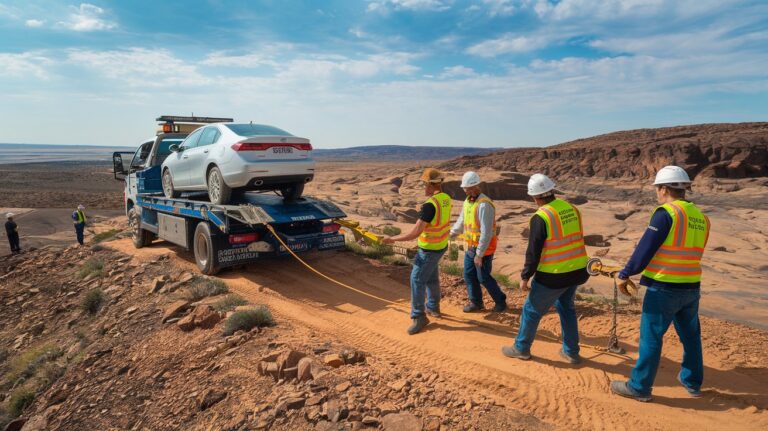
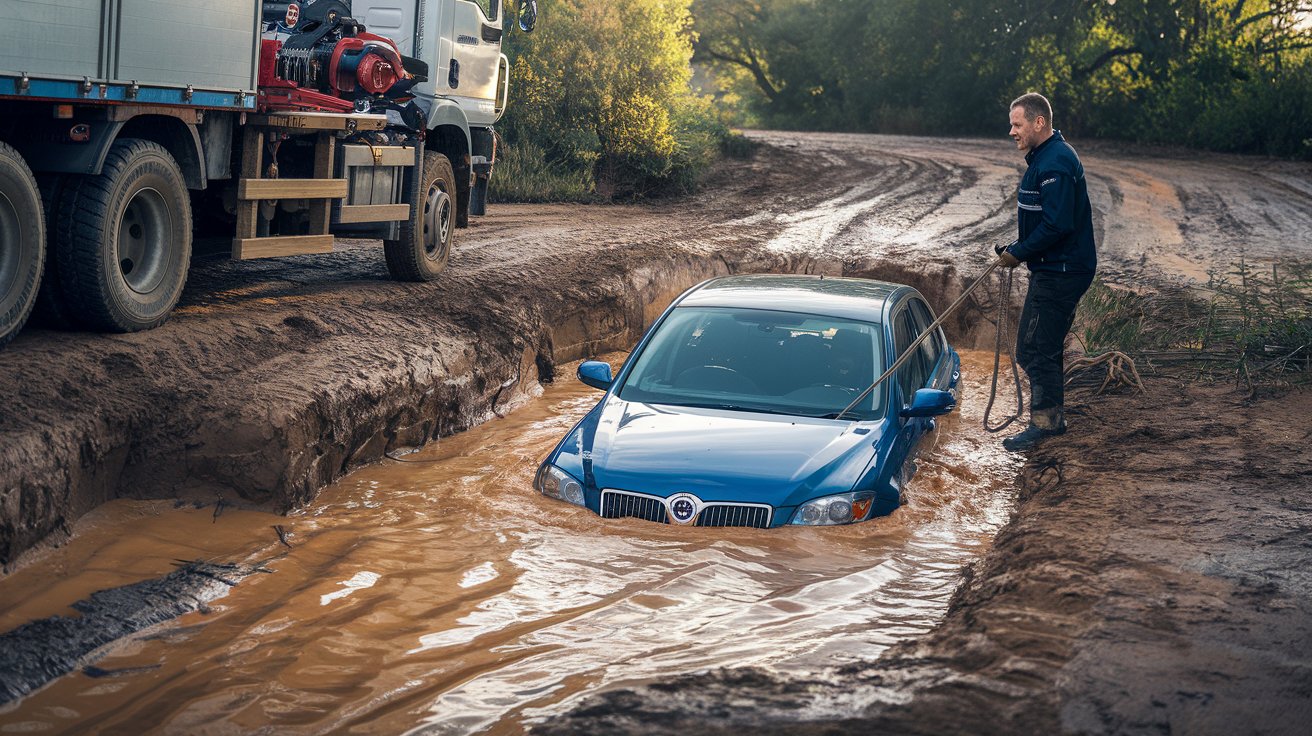
Winching services become necessary in situations where vehicles cannot be safely extracted using conventional towing methods. Common scenarios include vehicles stuck in deep mud, snow banks, or sand dunes where standard tow trucks cannot gain adequate traction or positioning. Off-road enthusiasts frequently require winching when their vehicles become high-centered on rocks, fallen trees, or steep terrain that prevents normal driving recovery attempts.
Emergency situations also demand professional winching services, particularly when vehicles slide off roadways into ditches, embankments, or water bodies. Accident scenes often require winching to upright overturned vehicles or extract damaged cars from precarious positions. Commercial applications include recovering construction equipment, agricultural machinery, and freight vehicles that become stuck in soft ground or challenging terrain conditions.
Weather-Related Recovery Situations
Severe weather conditions create numerous scenarios requiring winching services across the United States. Winter storms result in vehicles sliding into snow-filled ditches or becoming trapped in parking lots with accumulated snow and ice. Spring flooding can strand vehicles in water-logged areas where conventional towing risks equipment damage or safety hazards for recovery personnel and vehicle owners alike.
Off-Road and Recreational Recovery
Recreational off-roading has increased significantly since 2024, leading to greater demand for specialized winching services in national parks, state forests, and private off-road areas. ATV parks, rock crawling venues, and mud bogging facilities maintain relationships with professional recovery services to assist stuck participants. Many off-road events now require proof of recovery service arrangements before allowing vehicle participation in challenging terrain competitions.
Winching Service Costs and Pricing Factors
Winching service costs vary significantly based on location, complexity, and timing of the recovery operation. Average pricing in 2024 ranges from $150 to $500 for standard passenger vehicle extractions, with heavy-duty commercial recoveries costing $800 to $2,500 or more. Urban areas typically charge higher rates due to increased operating costs, while rural locations may offer more competitive pricing but require longer response times for service delivery.
Several factors influence winching service pricing, including distance from the service provider’s base, accessibility of the stuck vehicle, and environmental conditions at the recovery site. Night-time and weekend operations typically incur premium charges of 25-50% above standard rates. Complex recoveries requiring multiple pieces of equipment or extended labor time result in higher costs, with most companies charging hourly rates between $125-$200 for specialized recovery operations.
Insurance Coverage for Winching Services
Many drivers are unaware that standard auto insurance policies may not cover winching service costs, particularly for recreational off-road activities. Roadside assistance plans through AAA, insurance companies, or vehicle manufacturers typically include basic winching coverage up to specified limits, usually $100-$200 per incident. Comprehensive coverage may reimburse winching expenses if the vehicle became stuck due to a covered peril like flooding or storm damage.
Additional Fees and Charges
Winching service providers may assess additional charges for specialized equipment, environmental cleanup, or property damage restoration. Mileage charges apply when recovery locations exceed the standard service radius, typically $3-$8 per mile beyond the base coverage area. Storage fees may accumulate if weather or daylight conditions prevent immediate vehicle removal, with daily rates ranging from $25-$75 depending on facility security and location amenities.
Safety Considerations and Risk Management
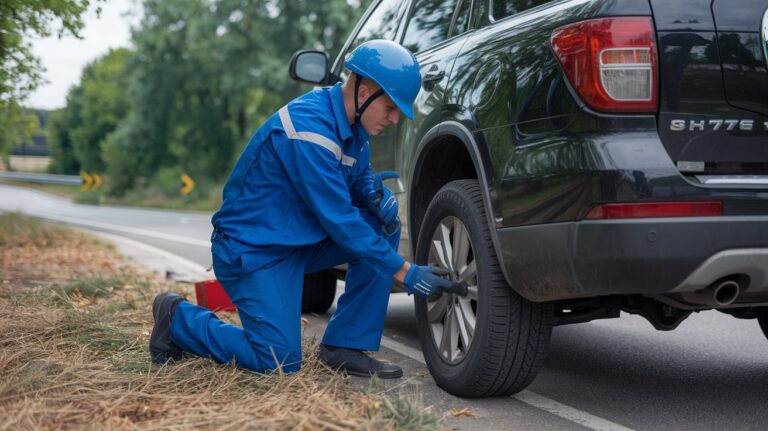
Professional winching services prioritize safety through comprehensive risk assessment procedures before beginning recovery operations. Trained technicians evaluate ground stability, overhead hazards, and environmental conditions that could complicate the extraction process. Proper personal protective equipment, including hard hats, safety glasses, and high-visibility clothing, is mandatory for all personnel within the recovery work zone to prevent injuries from cable failure or equipment malfunction.
Winching operations involve significant mechanical forces that can cause severe injury or property damage if not properly managed. Professional services maintain detailed safety protocols covering cable inspection procedures, load calculations, and emergency response plans for equipment failures. Modern recovery vehicles feature remote winch controls that allow operators to maintain safe distances during high-stress pulling operations, reducing exposure to potentially dangerous cable snap-back zones.
Choosing the Right Winching Service Provider
Selecting a qualified winching service provider requires evaluation of several critical factors including licensing, insurance coverage, and equipment capabilities. Reputable companies maintain current commercial vehicle operator licenses, comprehensive liability insurance, and specialized equipment suited for various recovery scenarios. Customer reviews and industry certifications provide valuable insights into service quality and reliability during emergency situations when prompt response times are essential.
Professional winching services should offer 24/7 availability and maintain service areas that cover your typical driving routes or recreational activities. Equipment age and maintenance records indicate the provider’s commitment to reliable service delivery and safety standards. Many established companies provide detailed cost estimates before beginning work and offer transparent billing practices that eliminate surprise charges for standard recovery operations.
Certification and Training Requirements
Qualified winching service technicians complete specialized training programs covering safe rigging practices, equipment operation, and hazard recognition. The Towing and Recovery Association of America (TRAA) offers certification programs that validate technician competency in complex recovery operations. Many state transportation departments require specific licensing for commercial recovery operations, ensuring operators understand legal requirements and safety regulations governing vehicle extraction services.
Equipment Standards and Capabilities
Modern winching service equipment must meet stringent safety standards established by equipment manufacturers and industry organizations. Winch capacities should exceed the weight of vehicles being recovered by at least 50% to provide adequate safety margins during operations. Cable condition, hydraulic system maintenance, and electrical component testing require regular inspection to prevent equipment failures that could endanger personnel or cause additional vehicle damage during recovery attempts.
Related video about what is winching service
This video complements the article information with a practical visual demonstration.
Essential Q&A about what is winching service
What is winching a vehicle?
Winching a vehicle involves using mechanical winches and cables to pull stuck, disabled, or overturned vehicles from positions where conventional towing cannot safely operate. Professional winching services use specialized equipment including steel cables, synthetic ropes, and hydraulic or electric winches mounted on recovery vehicles to extract cars, trucks, and commercial vehicles from mud, snow, ditches, or off-road situations.
How much does a winching service cost?
Winching service costs in 2024 range from $150 to $500 for standard passenger vehicles, while heavy-duty commercial recoveries cost $800 to $2,500 or more. Pricing factors include location accessibility, time of day, complexity of the recovery, and distance from the service provider. Additional charges may apply for specialized equipment, mileage beyond the service radius, and extended labor time.
Does AAA cover winching services?
AAA roadside assistance plans typically include basic winching coverage up to specified limits, usually $100-$200 per incident for members. Coverage varies by membership level, with premium plans offering higher reimbursement limits. However, winching for recreational off-road activities or intentional off-road driving may not be covered under standard AAA policies, requiring additional specialized coverage.
When should I call a professional winching service?
Contact professional winching services when your vehicle is stuck in mud, snow, sand, or ditches where standard towing cannot safely operate. Other situations include vehicles that have slid off roadways, become high-centered on obstacles, or are trapped in flooded areas. Professional services are essential when DIY recovery attempts could cause vehicle damage or pose safety risks to untrained operators.
What safety precautions do professional winching services follow?
Professional winching services follow comprehensive safety protocols including ground stability assessment, overhead hazard evaluation, and proper personal protective equipment usage. Technicians maintain safe distances during operations, use remote winch controls, and conduct cable inspections before each use. Load calculations ensure equipment operates within safe parameters, while emergency response plans address potential equipment failures or unexpected situations.
Can winching damage my vehicle?
When performed by trained professionals using proper techniques, winching minimizes vehicle damage risks. However, improper rigging, excessive pulling forces, or amateur attempts can cause significant damage to bumpers, frames, or suspension components. Professional services carry insurance coverage for potential damage and use appropriate attachment points and pulling angles to protect vehicle integrity during recovery operations.
| Service Aspect | Professional Standards | Customer Benefit |
|---|---|---|
| Cost Range | $150-$500 standard recovery | Transparent pricing structure |
| Response Time | 24/7 availability | Emergency assistance when needed |
| Equipment Capacity | Up to 80,000 lbs pulling force | Handles all vehicle types safely |
| Insurance Coverage | Comprehensive liability protection | Financial protection from damages |
| Technician Training | TRAA certified operators | Safe and efficient recovery operations |