Front Wheel Drive Towing Guide: Safety Tips & Dolly Methods
When it comes to front wheel drive towing, proper techniques and equipment are crucial for vehicle safety and preventing transmission damage. Whether you need to transport your FWD car using a tow dolly or understand the limitations of towing with a front-wheel-drive vehicle, this comprehensive guide covers everything you need to know for safe and legal towing in the United States during 2024-2025.
Is It Safe To Tow A Front Wheel Drive Car
Towing a front wheel drive car safely depends entirely on the method used. Most FWD vehicles can be towed safely when proper procedures are followed, but improper towing can cause expensive transmission damage costing $3,000 to $5,000 in repairs. The key factor is ensuring the drive wheels are either lifted off the ground or the transmission is properly disconnected from the drivetrain.
Modern FWD cars manufactured after 2020 typically include specific towing instructions in their owner’s manuals. According to AAA data from 2024, approximately 68% of passenger vehicles in the United States are front wheel drive, making proper FWD towing knowledge essential for vehicle owners and towing operators alike.
Best Methods For Towing Front Wheel Drive Vehicles
Several effective methods exist for towing front wheel drive vehicles safely. Each method has specific advantages and applications depending on your situation, vehicle condition, and available equipment.
Tow Dolly Method
A tow dolly represents the most popular choice for FWD towing, supporting the front wheels while allowing rear wheels to roll freely. This method works perfectly for front-wheel-drive vehicles because it lifts the drive wheels off the pavement, preventing transmission strain. Rental companies like U-Haul report that 73% of their dolly rentals in 2024 were specifically for front wheel drive towing applications.
Flatbed Trailer Towing
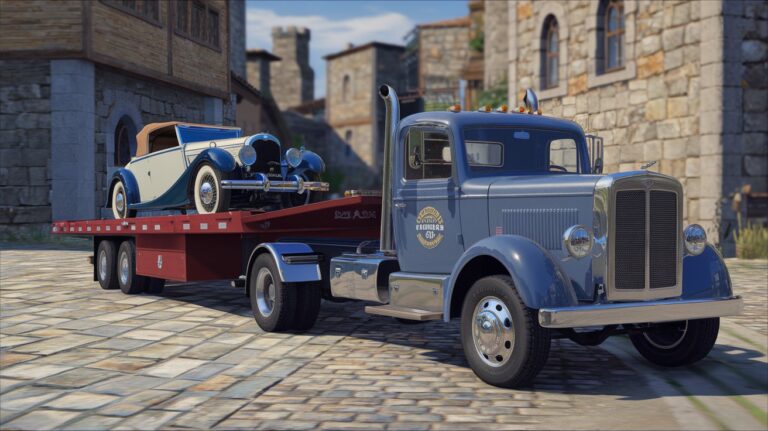
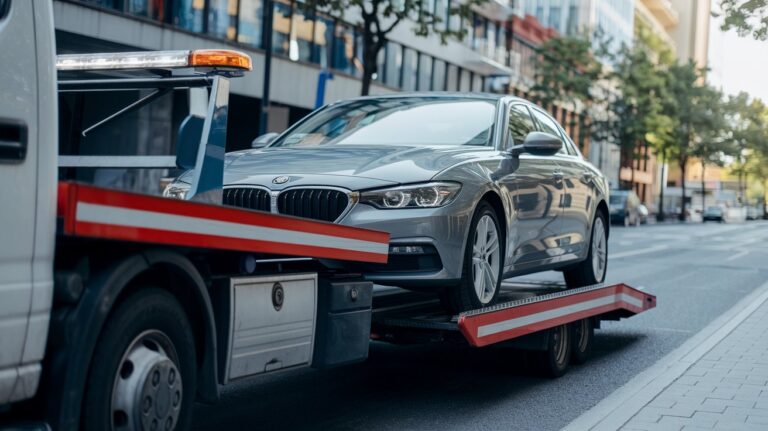
Flatbed trailers provide the safest option for towing a front wheel drive car because all four wheels remain off the ground. This method eliminates any risk of transmission damage and works for both running and non-running vehicles. Professional towing services charge $150-$300 per day for flatbed trailer rentals, making it cost-effective for long-distance moves exceeding 500 miles.
What Gear Should The Car Be In When Towing
Proper gear selection during front wheel drive towing prevents transmission damage and ensures safe transport. For vehicles being towed with rear wheels on the ground, the transmission should be placed in neutral to allow free wheel rotation. However, this rule has important exceptions based on your towing method and vehicle specifications.
When using a tow dolly with front wheels lifted, gear selection becomes less critical since the drive wheels are off the pavement. Most manufacturers still recommend neutral positioning as a safety precaution. Manual transmission vehicles require the gear shifter in neutral, while automatic transmissions should be shifted to neutral with the parking brake released on the ground-touching wheels.
Loading A Front Wheel Drive Car On A Dolly
Proper loading technique ensures safe front wheel drive towing and prevents equipment damage during transport. The process requires specific steps performed in the correct sequence to achieve proper weight distribution and secure attachment.
Loading Running Vehicles
For operational vehicles, begin by positioning the tow dolly on level ground with safety straps readily accessible. Drive the front wheels slowly onto the dolly ramps until they contact the wheel stops, then engage the parking brake. Secure the front wheels using the provided tie-down straps, ensuring 2,500-3,000 pounds of tension per strap. Connect safety chains between the dolly and towing vehicle with proper slack for turning.
Loading Non-Running Cars
Non-running vehicles require additional equipment for safe towing a front wheel drive car loading. Use a come-along winch or electric winch rated for at least 4,000 pounds to pull the vehicle onto the dolly. Position the winch anchor point at the center of the dolly, then attach the winch cable to the vehicle’s designated tow points. Winch slowly while guiding the front wheels into proper position on the dolly platform.
What Cars Can You Tow With A Dolly
Most front wheel drive vehicles manufactured after 1990 can be safely towed using a dolly system. Popular FWD models including Honda Civic, Toyota Corolla, Nissan Sentra, and Ford Focus are fully compatible with dolly towing when proper procedures are followed. However, certain vehicle categories require special considerations or alternative towing methods.
Vehicles with low ground clearance, such as sports cars with front air dams below 4 inches, may scrape during loading. All-wheel-drive vehicles should never be towed with any wheels touching the ground due to differential damage risks. Electric vehicles and hybrid cars often have specific towing restrictions outlined in their owner’s manuals that must be carefully reviewed.
Can You Tow Electric Cars On A Dolly
Electric vehicle towing presents unique challenges for front wheel drive towing applications. Most electric cars should not be towed with drive wheels on the ground because their regenerative braking systems can generate electrical current even when powered off, potentially damaging the battery management system or motor controllers.
Tesla Model 3 and Model Y, both front-wheel-drive electric vehicles, explicitly prohibit dolly towing in their 2024 owner’s manuals. Instead, these vehicles require flatbed transport to prevent damage to their electric drive systems. Some electric vehicles allow brief dolly towing under 35 mph for distances under 35 miles, but manufacturer guidelines should always be consulted before attempting towing.
Legal Requirements For Car Dolly Towing
Understanding legal requirements prevents citations and ensures safe front wheel drive towing operations. Requirements vary by state, but common regulations apply across most jurisdictions in the United States.
License Plate Requirements
Most states require tow dollies to display license plates, typically matching the towing vehicle’s registration state. California, Texas, and Florida mandate dolly registration with annual fees ranging from $23-$45. The towed vehicle’s license plate must remain visible, either on the vehicle itself or transferred to the rear of the dolly if the vehicle plate is obscured.
Speed Limits And Restrictions
Maximum speed limits for towing a front wheel drive car typically range from 55-65 mph depending on state regulations. Interstate highways generally allow 55 mph maximum for vehicles with trailers, while some rural states permit 65 mph. Mountain grades may have additional restrictions requiring reduced speeds below 45 mph to prevent brake overheating and maintain control.
Weight Limits And Capacity Guidelines
Understanding weight limits prevents equipment failure and ensures safe front wheel drive towing operations. Standard car dollies typically support 3,450-4,900 pounds of vehicle weight, sufficient for most passenger cars but inadequate for larger SUVs or trucks.
The towing vehicle must have adequate capacity to pull both the dolly weight (approximately 750 pounds) plus the towed vehicle weight. Most mid-size SUVs can safely tow combinations up to 8,500 pounds, while full-size trucks handle loads exceeding 12,000 pounds. Always verify your vehicle’s towing capacity in the owner’s manual before attempting heavy loads.
Cost Analysis: Renting VS Purchasing A Car Dolly
Financial considerations significantly impact your front wheel drive towing decision between rental and purchase options. Daily rental costs for quality dollies range from $45-$65 plus mileage charges of $1.29-$1.99 per mile in 2024.
Purchasing a new tow dolly costs $2,200-$3,800 for quality models from manufacturers like Stehl, Master Tow, and Roadmaster. Used dollies in good condition sell for $1,200-$2,400, making purchase economical if you plan more than 3-4 towing trips annually. Maintenance costs average $150-$200 per year for tire replacement, bearing service, and safety inspections.
Common Mistakes To Avoid When Towing FWD Cars
Avoiding common errors prevents expensive damage during front wheel drive towing operations. Many vehicle owners make critical mistakes that result in transmission failure, suspension damage, or safety hazards.
The most frequent error involves towing FWD vehicles backward with the front wheels on the ground. This forces the transmission to operate in reverse at highway speeds, causing immediate internal damage. Another common mistake involves exceeding manufacturer-recommended towing speeds, which can cause tire blowouts or loss of control. Always verify your specific vehicle’s towing limitations before proceeding with any towing operation.
Related video about front wheel drive towing
This video complements the article information with a practical visual demonstration.
Everything you need to know about front wheel drive towing
When towing a front wheel drive car does it need to be in neutral?
Yes, when the rear wheels of a front wheel drive car touch the ground during towing, the transmission must be in neutral to prevent damage. This allows the wheels to rotate freely without forcing the transmission to operate while being pulled. However, if using a tow dolly with front wheels lifted, gear position is less critical since drive wheels are off the pavement.
Can you tow a front wheel drive car from the front?
No, you should never tow a front wheel drive car from the front with the drive wheels on the ground. This forces the transmission to operate in reverse at highway speeds, causing immediate and expensive internal damage. Front wheel drive cars must be towed with front wheels lifted using a dolly or flatbed trailer.
Is it okay to tow with front-wheel-drive vehicles?
Front-wheel-drive vehicles can tow light loads, but they’re not ideal for heavy towing due to weight distribution and traction limitations. Most FWD cars can safely tow 1,000-2,000 pounds, suitable for small trailers or lightweight boats. Rear-wheel-drive and all-wheel-drive vehicles provide better towing performance and stability for heavier loads.
How fast can I drive when towing a front wheel drive car?
Maximum safe speeds for towing FWD cars typically range from 55-65 mph depending on state regulations and equipment used. Most manufacturers recommend not exceeding 55 mph when using a tow dolly. Always check local speed limits as many states have reduced limits for vehicles pulling trailers or dollies.
Is towing a car on a dolly good for long distances?
Dolly towing works well for long distances when properly executed. Modern tow dollies can safely transport front wheel drive cars for thousands of miles. However, regular stops every 150-200 miles are recommended to check tire pressure, strap tension, and overall equipment condition. For distances exceeding 1,000 miles, consider flatbed transport for maximum safety.
Can you tow with a front-wheel drive SUV?
Front-wheel drive SUVs can tow moderate loads typically ranging from 1,500-3,500 pounds depending on engine size and model year. Popular FWD SUVs like Honda CR-V, Toyota RAV4, and Nissan Rogue offer adequate towing capacity for small boats, utility trailers, and lightweight campers when properly equipped with factory towing packages.
| Towing Method | Best For | Key Advantage |
|---|---|---|
| Tow Dolly | FWD cars under 4,500 lbs | Cost-effective and widely available |
| Flatbed Trailer | All vehicle types | Maximum safety, no transmission risk |
| Professional Towing | Non-running or luxury vehicles | Expert handling and insurance coverage |