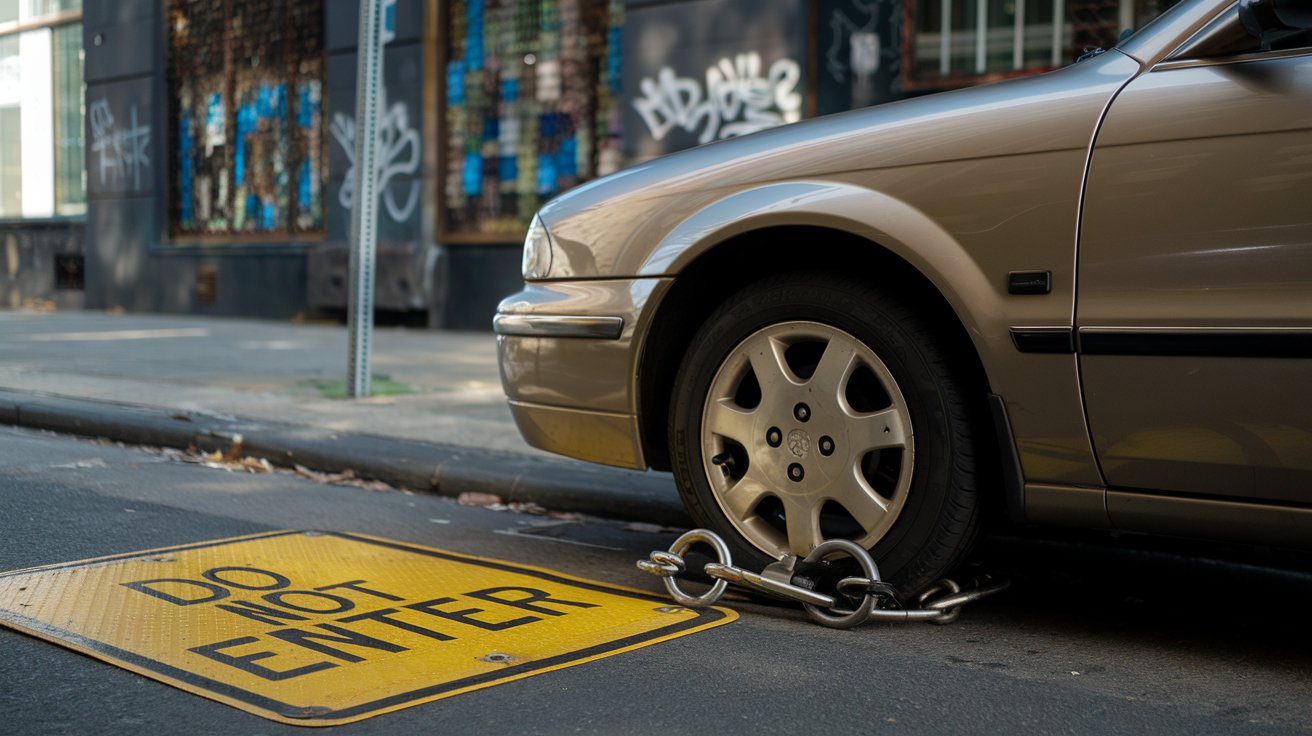
How to Make Your Car Hard to Tow: Legal Protection Guide
Making your car difficult to tow legally involves strategic parking, security devices, and understanding towing regulations. While you cannot completely prevent legitimate towing, certain anti-towing measures can deter unauthorized removal while complying with local laws. This comprehensive guide covers proven methods to protect your vehicle from unwanted towing situations.
Legal Anti-Towing Devices and Security Systems
Installing legitimate anti-towing devices provides the most effective protection against unauthorized vehicle removal. These systems work by making it physically challenging or time-consuming for tow operators to quickly remove your car. Modern security devices have evolved significantly in 2024-2025, offering sophisticated protection without violating towing regulations.
Steering wheel locks remain one of the most visible deterrents, signaling to potential tow operators that your vehicle has additional security measures. Wheel boots and tire locks create physical barriers that require extra time and tools to remove, often discouraging quick towing attempts. Electronic immobilizers prevent the engine from starting, making it impossible to drive the vehicle onto a flatbed truck.
Wheel Boot and Tire Lock Systems
Commercial-grade wheel boots provide excellent protection against unauthorized towing attempts. These devices clamp around your tire and wheel, making it impossible to roll the vehicle onto a tow truck. Quality wheel boot systems cost between $150-$400 and require specialized tools for removal. Professional-grade models used by parking enforcement agencies offer the highest security but may be overkill for personal use.
Steering Wheel and Brake Lock Devices
Heavy-duty steering wheel locks create visible deterrence while making it difficult to maneuver your vehicle. The most effective models extend from the steering wheel to the brake pedal, preventing both steering and braking functions. Brake locks specifically target the brake pedal, making it impossible to safely move the vehicle. These devices typically cost $50-$200 and provide excellent value for their deterrent effect.
Strategic Parking Techniques to Prevent Towing
Your parking strategy significantly impacts how easily your car can be towed. Understanding towing limitations helps you position your vehicle in ways that complicate unauthorized removal. Tow truck operators prefer quick, easy access to vehicles, so creating obstacles can deter opportunistic towing attempts.
Parking close to walls, poles, or other vehicles limits the tow truck’s maneuvering space. However, ensure you’re not violating parking regulations or blocking emergency access. Tight parking spaces make it difficult for tow trucks to position properly for safe vehicle removal. Consider the angle of your parking as well – backing into spaces can sometimes complicate towing procedures depending on your vehicle’s drivetrain configuration.
Blocking Access Points and Maneuvering Space
Positioning your vehicle to limit tow truck access requires understanding their operational requirements. Flatbed tow trucks need approximately 25-30 feet of straight-line access to load vehicles safely. By parking in areas with limited maneuvering space, you increase the difficulty and time required for towing. However, never block fire lanes, handicap access, or emergency routes as this may result in immediate towing regardless of obstacles.
Using Vehicle Positioning and Wheel Angles
Turning your wheels fully to one side can complicate towing procedures, especially for wheel-lift tow trucks. Angled wheels make it more difficult to attach lifting equipment and may require additional positioning time. Some tow operators will straighten wheels manually, but this adds time and effort to the process. Engaging your parking brake also creates additional resistance, though professional tow operators have methods to overcome this obstacle.
Understanding Towing Regulations and Your Rights
Knowing your legal rights regarding vehicle towing provides essential protection against unauthorized removal. Federal and state regulations govern when and how vehicles can be legally towed, with specific requirements for notification, signage, and property owner authorization. Understanding these regulations helps you identify illegal towing attempts and protect your interests.
In most US states, private property owners must post clear signage indicating towing policies and contact information for retrieval. Towing companies must follow specific procedures for vehicle removal, storage, and owner notification. Violating these procedures can result in illegal towing charges being dismissed and potential compensation for vehicle owners.
Electronic Security and Tracking Systems
Modern GPS tracking systems provide real-time vehicle location monitoring, alerting you immediately if your car is moved without authorization. These systems typically cost $20-$50 monthly and offer smartphone app integration for instant notifications. Advanced tracking systems can also disable vehicle ignition remotely, though this feature should be used carefully to avoid legal complications.
Dash cameras with parking mode record activity around your vehicle when parked, providing evidence of unauthorized towing attempts. Security cameras can document the entire towing process, which becomes valuable evidence if you need to dispute charges or file complaints. Some systems include motion sensors that trigger recording when someone approaches your vehicle.
GPS Tracking and Remote Monitoring
Professional-grade GPS tracking systems offer features beyond basic location monitoring. Advanced systems provide geofencing alerts that notify you when your vehicle leaves designated areas, speed monitoring, and detailed trip histories. Some trackers include two-way communication capabilities, allowing you to disable the vehicle remotely if it’s being stolen or towed without authorization.
Vehicle Alarm and Immobilizer Systems
Modern car alarms integrated with immobilizer systems provide multi-layered protection against unauthorized removal. These systems can detect when someone attempts to start your vehicle or when it’s being lifted by towing equipment. Immobilizer systems prevent engine starting by disabling critical ignition components, making it impossible to drive your vehicle onto transport equipment.
Physical Modifications and Deterrent Strategies
Certain vehicle modifications can make towing more challenging without compromising your car’s functionality or violating local regulations. These modifications focus on making your vehicle less attractive to quick towing operations while maintaining full usability for authorized drivers. Physical deterrents work best when combined with other security measures for comprehensive protection.
Installing aftermarket skid plates or undercarriage protection can complicate hook attachment for wheel-lift tow trucks. However, ensure modifications don’t interfere with your vehicle’s safety systems or violate local vehicle codes. Custom wheel locks requiring special removal tools add another layer of complexity for unauthorized towing attempts.
Emergency Contacts and Documentation Strategies
Maintaining proper documentation and emergency contact procedures helps you respond quickly to towing situations. Keep copies of all relevant vehicle documents easily accessible, including registration, insurance, and parking permits. Emergency contact lists should include local police, towing companies, and legal assistance numbers for immediate response to questionable towing situations.
Document your parking location with photos showing nearby signage, your vehicle’s position, and any relevant parking restrictions. Timestamped photos provide crucial evidence if you need to dispute towing charges or prove your vehicle was legally parked. Many smartphone apps automatically add location and time data to photos, creating reliable documentation.
Related video about how can i make my car hard to tow
This video complements the article information with a practical visual demonstration.
Key Questions and Answers
Does parking brake prevent towing?
A parking brake can slow down the towing process but won’t prevent professional tow trucks from removing your vehicle. Most tow operators carry tools to release parking brakes or use dollies to overcome wheel resistance. However, engaging the parking brake does add time and complexity to unauthorized towing attempts.
Can a car be towed with the wheels turned?
Yes, vehicles can be towed with turned wheels, though it complicates the process. Tow operators may manually straighten wheels or use specialized equipment to accommodate angled positions. Turning wheels fully provides minimal deterrent effect but may discourage quick, unauthorized towing attempts.
Are anti-towing devices legal to use?
Most anti-towing devices like wheel boots, steering wheel locks, and brake locks are legal for personal use. However, devices that could interfere with emergency vehicle access or violate local parking regulations should be avoided. Always ensure your security measures comply with local laws and don’t create safety hazards.
How effective are wheel boots against towing?
Commercial-grade wheel boots are highly effective deterrents, requiring specialized tools and significant time to remove. Professional tow operators may carry boot removal equipment, but most unauthorized towing attempts will be discouraged by visible wheel boot installation. Quality boots provide excellent protection for the investment cost.
Can GPS tracking prevent my car from being towed?
GPS tracking doesn’t prevent towing but provides immediate notification when your vehicle is moved. Advanced systems with remote immobilizer features can disable the vehicle after unauthorized movement, though this should be used carefully to avoid legal complications with legitimate towing operations.
What makes a car harder to repo?
While you cannot legally prevent legitimate repossession, security devices like steering wheel locks and GPS tracking can complicate the process. However, interfering with legal repossession attempts may result in additional charges. Focus on understanding your rights and maintaining communication with lenders to avoid repossession situations.
| Protection Method | Effectiveness Level | Cost Range |
|---|---|---|
| Wheel Boot System | High Deterrent | $150-$400 |
| GPS Tracking | Real-time Monitoring | $20-$50/month |
| Steering Wheel Lock | Visual Deterrent | $50-$200 |
| Strategic Parking | Moderate Protection | Free |