Types of Tow Trucks: Complete Guide to All 6 Main Categories
Understanding the different types of tow trucks is essential when you need roadside assistance or are considering entering the towing industry. The United States operates six main categories of tow trucks, each designed for specific vehicle types and towing situations. From flatbed trucks that transport luxury vehicles safely to heavy-duty integrated units handling commercial equipment, choosing the right tow truck type ensures proper vehicle transport and prevents costly damage.
The 6 Main Types of Tow Trucks in 2025
The towing industry in the United States has evolved significantly, with six primary types of tow trucks serving different transportation needs. According to the American Towman Network’s 2024 industry report, over 45,000 tow trucks operate nationwide, with flatbed units comprising approximately 35% of the fleet. Understanding each type helps consumers make informed decisions when calling for roadside assistance and helps business owners select appropriate equipment for their operations.
Modern tow truck types are classified based on their lifting mechanism, weight capacity, and specialized features. The most common categories include flatbed trucks, wheel lift units, integrated trucks, hook and chain trucks, boom trucks, and specialty recovery vehicles. Each type serves specific vehicle categories, from compact cars to heavy commercial vehicles, with safety regulations governing their operation across all 50 states.
Flatbed Tow Trucks: The Most Versatile Option
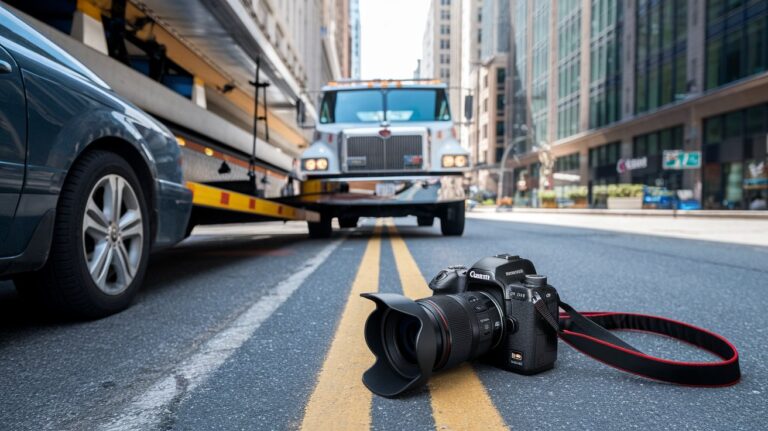
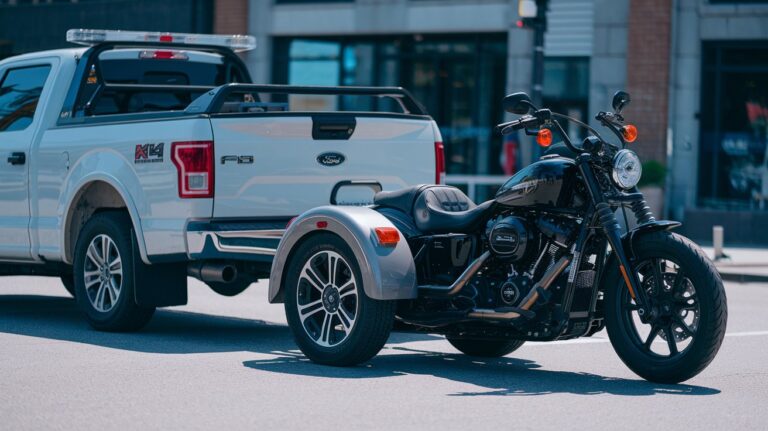
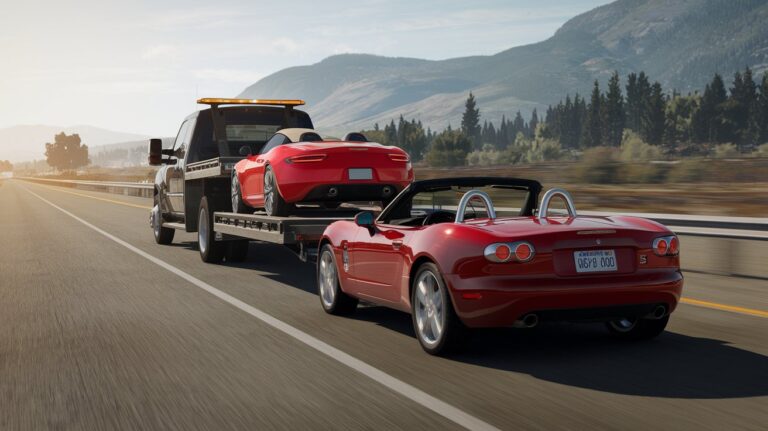
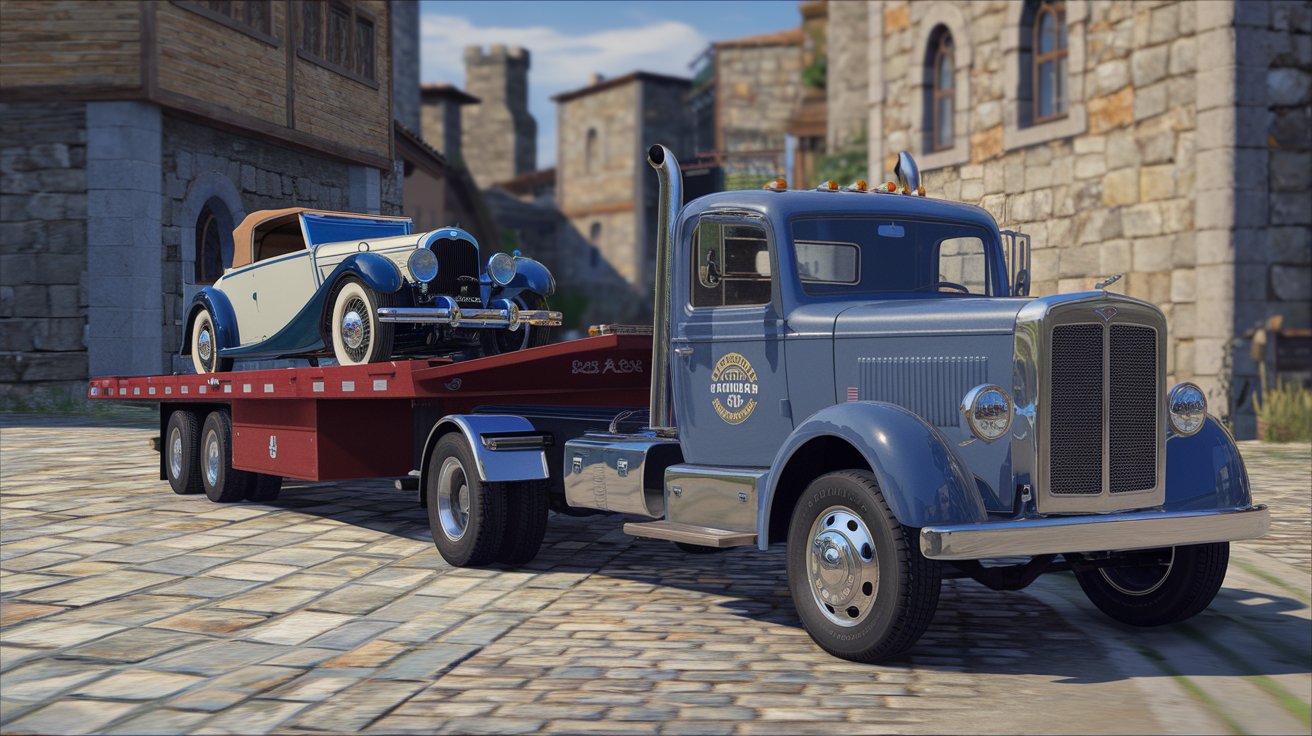
Flatbed tow trucks, also called rollback trucks, represent the most common tow truck type in the United States, accounting for nearly 40% of all towing operations in 2024. These trucks feature a flat platform that tilts and slides to ground level, allowing vehicles to be driven or winched onto the bed. The flatbed design eliminates contact with the towed vehicle’s wheels, making it ideal for all-wheel-drive vehicles, luxury cars, motorcycles, and vehicles with low ground clearance that could be damaged by traditional towing methods.
Wheel Lift Tow Trucks: Modern Hook and Chain Alternative
Wheel lift tow trucks use a metal yoke that slides under the vehicle’s front or rear wheels, lifting them off the ground while the other set remains in contact with the road. This method replaced older hook and chain systems and now represents about 25% of towing operations nationwide. Wheel lift trucks work efficiently for front-wheel and rear-wheel drive vehicles, offering faster hookup times than flatbeds while maintaining vehicle safety. The average wheel lift truck can handle vehicles weighing up to 10,000 pounds.
Heavy-Duty Tow Truck Categories
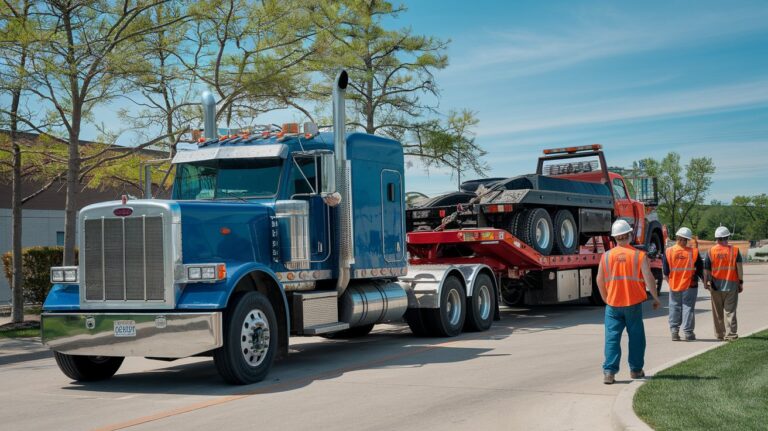
Heavy-duty towing operations require specialized equipment capable of handling commercial vehicles, buses, and construction equipment. These types of tow trucks must meet DOT regulations for weight distribution and safety protocols when operating on interstate highways. The heavy-duty segment has grown 15% since 2020, driven by increased commercial vehicle traffic and infrastructure development projects across major metropolitan areas.
Integrated tow trucks and boom trucks dominate the heavy-duty market, with integrated units offering superior stability for multi-axle vehicles. These trucks feature reinforced chassis, powerful hydraulic systems, and specialized rigging equipment. Operating costs for heavy-duty units average $180-220 per hour compared to $85-120 for light-duty operations, reflecting their specialized capabilities and higher insurance requirements.
Integrated Tow Trucks for Maximum Stability
Integrated tow truck designs incorporate the boom and wheel lift mechanism directly into the truck chassis, providing exceptional stability for heavy vehicle recovery. These units handle weights from 25,000 to 75,000 pounds and feature advanced hydraulic systems with precise load control. Integrated trucks cost between $200,000-$400,000 new but offer superior performance for commercial towing operations, especially in challenging recovery situations involving overturned vehicles or off-road extraction.
Boom Trucks for Specialized Recovery Operations
Boom trucks utilize extendable hydraulic arms with winching capabilities, making them essential for different types of complex recovery scenarios. These trucks excel in situations requiring vehicle extraction from ditches, embankments, or accident scenes where direct access is impossible. Modern boom trucks feature 360-degree rotation capabilities and can extend up to 30 feet, with winching capacities reaching 50,000 pounds. They represent approximately 8% of the total tow truck fleet but handle some of the most challenging recovery operations.
Traditional Hook and Chain Tow Trucks
While largely phased out for passenger vehicle towing, hook and chain tow trucks still serve specific purposes in the modern towing industry. These trucks use chains and hooks to secure vehicles by their axles or frame, making them suitable primarily for vehicles destined for salvage yards or situations where vehicle cosmetic damage is not a concern. Most states have implemented regulations limiting hook and chain usage for operational vehicles due to potential damage to suspension systems, body panels, and bumpers.
Contemporary applications for hook and chain systems include junk vehicle removal, where appearance preservation is unnecessary, and certain heavy equipment transport scenarios. The Insurance Institute for Highway Safety reports that hook and chain towing causes damage in approximately 40% of operations, leading most reputable towing companies to restrict their use to specific circumstances where alternative methods are impractical.
Choosing the Right Tow Truck Type for Your Needs
Selecting the appropriate tow truck type depends on your vehicle’s specifications, the towing situation, and distance requirements. For luxury vehicles, classic cars, or all-wheel-drive systems, flatbed trucks provide the safest transport option, preventing drivetrain damage and maintaining vehicle condition. Standard passenger cars with front-wheel or rear-wheel drive systems can safely use wheel lift trucks, which offer cost-effective service for local towing needs.
When requesting towing services, provide accurate vehicle information including make, model, drive type, and any modifications that might affect the towing process. Most towing companies maintain multiple truck types to handle various scenarios, but specifying your needs ensures the appropriate equipment arrives. Emergency situations may limit options, but non-emergency towing allows for optimal truck selection to protect your vehicle investment.
Tow Truck Industry Regulations and Safety Standards
The towing industry operates under strict federal and state regulations governing equipment standards, operator licensing, and safety protocols. The Federal Motor Carrier Safety Administration (FMCSA) requires commercial tow truck operators to maintain specific insurance levels, with liability coverage ranging from $750,000 to $5 million depending on vehicle weight capacity. Three types of licensing typically apply: light-duty (under 10,000 lbs), medium-duty (10,000-26,000 lbs), and heavy-duty (over 26,000 lbs) operations.
Safety standards mandate regular equipment inspections, operator training certifications, and adherence to traffic management protocols during roadside operations. The National Institute for Occupational Safety and Health (NIOSH) reports that proper equipment selection and operation procedures reduce accident rates by up to 60% compared to non-compliant operations. State regulations vary, but all require proper lighting, signage, and communication equipment for different types of tow trucks operating on public roadways.
Cost Factors for Different Tow Truck Types
Towing costs vary significantly based on the type of tow truck required, distance, and local market conditions. Flatbed service typically costs 20-30% more than wheel lift towing but provides superior vehicle protection. Average rates in 2024 range from $75-150 for local light-duty towing, with flatbed service commanding premium pricing due to equipment costs and longer loading times. Heavy-duty operations start at $200-300 per hour, reflecting the specialized equipment and operator expertise required.
Geographic location significantly impacts pricing, with urban areas like New York and Los Angeles averaging 40-50% higher rates than rural regions. Insurance coverage, vehicle value, and potential damage liability should factor into cost considerations when selecting tow truck services. Many insurance policies cover towing expenses, but coverage limits may influence the most common service types available through your provider’s preferred network.
Regional Availability and Service Networks
Tow truck availability varies across different regions, with metropolitan areas offering comprehensive service options while rural locations may have limited choices. Cities like Greensboro and Winston-Salem, North Carolina, maintain diverse fleets serving their regions, but smaller communities often rely on multi-purpose operators with fewer specialized units. The American Automobile Association (AAA) network provides standardized service levels nationwide, ensuring consistent quality regardless of location through their approved provider network.
Types of tow trucks near major population centers typically include all six main categories, while remote areas may primarily offer wheel lift and flatbed services. Service response times average 30-45 minutes in urban areas compared to 60-90 minutes in rural locations. Planning ahead for potential towing needs in unfamiliar areas can prevent delays and ensure appropriate service selection for your specific vehicle requirements.
Related video about types of tow trucks
This video complements the article information with a practical visual demonstration.
Important things to know about types of tow trucks
What are the different types of tow trucks?
The six main types of tow trucks are flatbed (rollback), wheel lift, integrated, hook and chain, boom trucks, and specialty recovery vehicles. Flatbed trucks are most versatile and safest for luxury vehicles, while wheel lift trucks offer cost-effective service for standard passenger cars. Heavy-duty operations use integrated and boom trucks for commercial vehicles and complex recovery situations.
What are the three types of towing?
The three primary towing methods are flatbed towing (vehicle loaded onto platform), wheel lift towing (front or rear wheels lifted), and dolly towing (two wheels on dolly). Flatbed provides maximum protection, wheel lift works for most passenger vehicles, and dolly systems are used for specific long-distance transport situations where full flatbed service isn’t required.
What is the most common tow truck?
Flatbed tow trucks are the most common type in the United States, representing approximately 35-40% of all towing operations in 2024. Their versatility in handling all vehicle types, from motorcycles to luxury cars, makes them the preferred choice for most towing companies. Wheel lift trucks follow as the second most common at about 25% of operations.
How much does it cost to use different types of tow trucks?
Light-duty towing costs range from $75-150 locally, with flatbed service commanding 20-30% premium over wheel lift trucks. Heavy-duty towing starts at $200-300 per hour for integrated and boom truck operations. Costs vary by location, with urban areas averaging 40-50% higher rates than rural regions, plus additional charges for mileage and after-hours service.
Which tow truck type is safest for my vehicle?
Flatbed tow trucks provide the safest transport for all vehicle types, especially luxury cars, all-wheel-drive vehicles, and low-clearance sports cars. The vehicle never touches the ground during transport, eliminating drivetrain damage and wear. For standard front-wheel or rear-wheel drive cars without special requirements, wheel lift trucks offer safe and economical service.
Are hook and chain tow trucks still used?
Hook and chain tow trucks are rarely used for operational vehicles due to potential damage to suspension, body panels, and bumpers. They’re primarily limited to junk vehicle removal and specific heavy equipment transport where cosmetic damage isn’t a concern. Most reputable towing companies have phased out hook and chain systems in favor of safer wheel lift and flatbed alternatives.
| Tow Truck Type | Best Use Cases | Average Cost Range |
|---|---|---|
| Flatbed | Luxury cars, AWD vehicles, motorcycles | $90-180 local |
| Wheel Lift | Standard passenger cars, quick service | $75-150 local |
| Integrated | Heavy commercial vehicles, buses | $200-400/hour |
| Boom Truck | Complex recovery, off-road extraction | $250-500/hour |