What is Winching Service in Towing? Complete Guide 2025
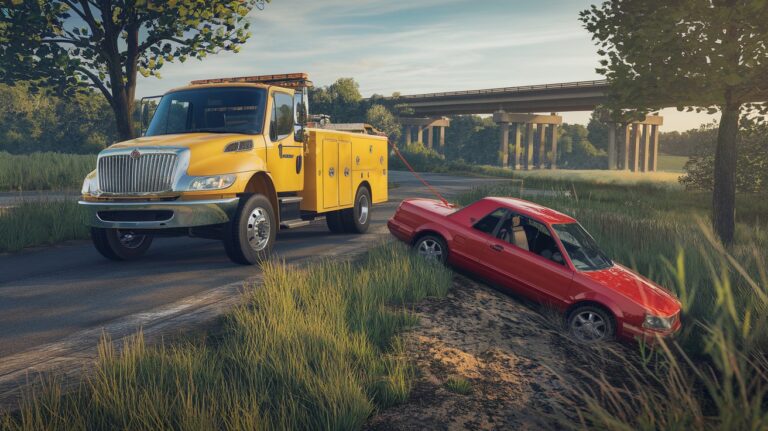
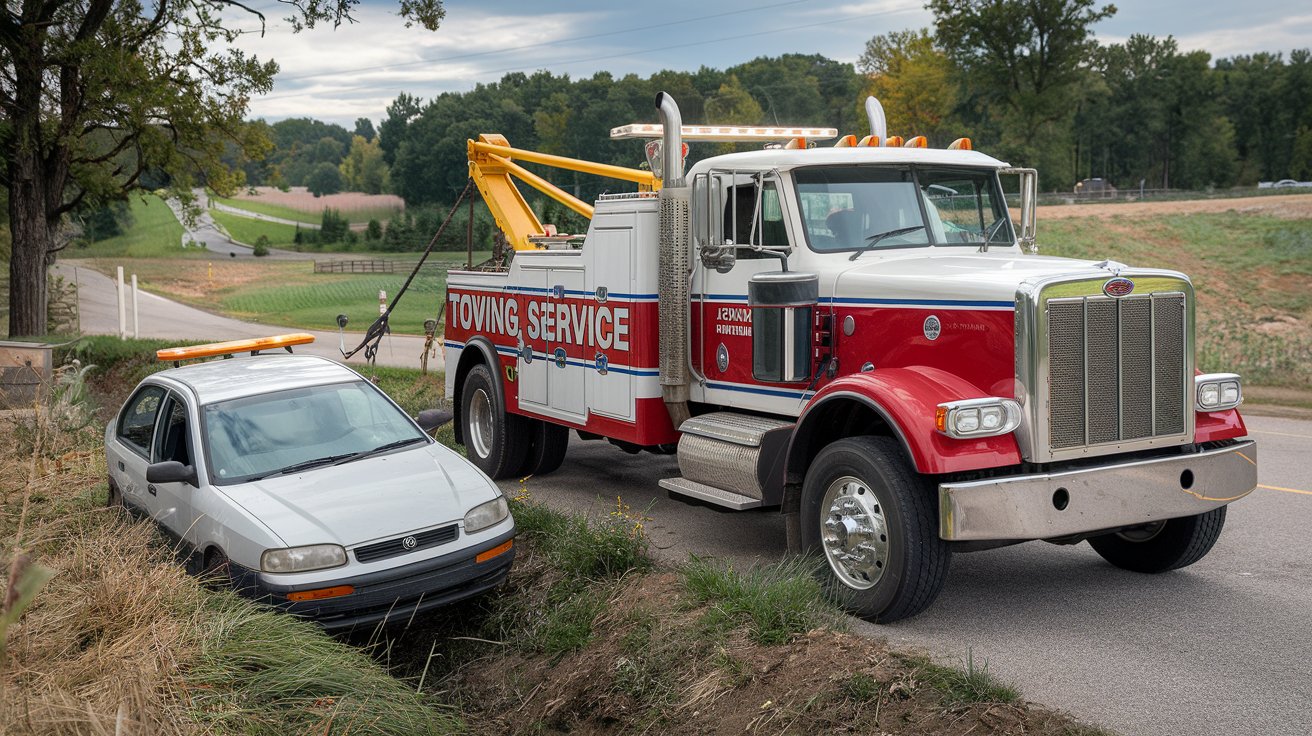
A winching service in towing is a specialized recovery technique that uses mechanical winch systems to pull vehicles out of difficult situations where standard towing methods fail. This essential towing service employs cables, chains, or synthetic ropes powered by hydraulic or electric motors to safely extract stuck, overturned, or hard-to-reach vehicles from ditches, mud, snow, or off-road locations.
Understanding Winching Service Fundamentals
Winching services represent a critical component of professional towing operations, designed to handle situations where conventional towing equipment cannot reach or safely recover a vehicle. The process involves using mechanical advantage through pulley systems and powerful motors to generate the necessary force for vehicle extraction. Modern winching systems can generate pulling forces ranging from 8,000 to 35,000 pounds, making them capable of recovering everything from compact cars to commercial trucks and heavy equipment.
The winching process requires specialized training and equipment to ensure safe operation. Professional towing operators must assess the situation, determine anchor points, calculate proper angles, and select appropriate rigging equipment. The complexity of winching operations often makes them more time-intensive and expensive than standard towing services, but they provide the only viable solution for many recovery scenarios.
Essential Winching Equipment Components
Professional winching service equipment includes hydraulic or electric winch motors, steel cable or synthetic rope, snatch blocks for directional changes, tree straps, shackles, and safety equipment. Modern tow trucks equipped for winching typically feature dual winch systems with capacities ranging from 12,000 to 25,000 pounds. The choice between steel cable and synthetic rope depends on the specific recovery situation, with synthetic ropes offering lighter weight and safer handling characteristics.
Types of Winching Systems Used
Towing companies utilize three primary winching system types: boom-mounted winches for overhead lifting operations, deck-mounted winches for straight-line pulls, and portable winches for remote recovery situations. Boom-mounted systems excel at uprighting overturned vehicles, while deck-mounted winches handle most standard recovery operations. Portable units provide flexibility for accessing vehicles in areas where tow trucks cannot position themselves effectively.
When Winching Service Becomes Necessary
Vehicle owners require winching services when their automobiles become stuck, overturned, or positioned in locations inaccessible to standard towing equipment. Common scenarios include vehicles trapped in mud, snow, or sand, cars that have rolled over in accidents, automobiles that have slid down embankments, and vehicles stuck in tight spaces where conventional tow trucks cannot maneuver. According to 2024 industry data, approximately 15% of all towing calls in the United States require some form of winching assistance.
Off-road recovery situations represent the largest category of winching service requests, particularly in rural areas and regions with challenging terrain. Winter weather conditions significantly increase demand for winching services, with some towing companies reporting up to 40% more winching calls during snow and ice events. Urban environments also generate winching needs when vehicles become trapped in parking structures, construction sites, or accident scenes with limited access.
Emergency Recovery Scenarios
Emergency winching situations often involve time-sensitive recoveries following accidents, natural disasters, or hazardous road conditions. These scenarios require immediate response capabilities and specialized equipment to safely extract vehicles while minimizing additional damage. Emergency winching services typically cost 25-50% more than standard recovery operations due to the urgent nature and increased risk factors involved.
Planned Recovery Operations
Non-emergency winching service requests include situations where vehicles have been stuck for extended periods, such as abandoned automobiles in remote locations or classic cars being recovered from storage areas. These planned operations allow for proper preparation, equipment selection, and safety planning, often resulting in more cost-effective and efficient recovery processes compared to emergency situations.
How Professional Winching Operations Work
Professional winching operations follow established safety protocols and technical procedures to ensure successful vehicle recovery. The process begins with scene assessment, where operators evaluate the stuck vehicle’s position, surrounding terrain, potential hazards, and optimal recovery angles. Operators then select appropriate equipment, establish secure anchor points, and calculate the required pulling force based on vehicle weight and environmental conditions.
The actual winching process involves attaching the winch line to the vehicle using proper connection points, positioning the tow truck for optimal mechanical advantage, and gradually applying tension while monitoring for potential complications. Operators must maintain constant communication and visual contact throughout the operation, adjusting techniques as conditions change. Modern winching operations utilize electronic monitoring systems to track line tension, motor temperature, and hydraulic pressure for enhanced safety and efficiency.
Winching Service Costs and Pricing Factors
Winching service charges in the United States typically range from $150 to $500 per hour, depending on the complexity of the recovery operation and regional market conditions. Basic winching operations for stuck vehicles generally cost between $200-350, while complex recovery situations involving overturned vehicles or hazardous locations can exceed $800-1,200. The pricing structure often includes base service fees, hourly labor rates, equipment usage charges, and mileage fees for travel to remote locations.
Several factors influence winching service pricing, including time of day, weather conditions, accessibility of the recovery site, vehicle size and weight, and special equipment requirements. Emergency calls during nights, weekends, or holidays typically incur surcharges of 25-75% above standard rates. Insurance coverage may partially or fully cover winching costs depending on the policy terms and circumstances of the incident.
Understanding the 80% Winching Rule
The 80% rule in winching refers to the safety practice of never exceeding 80% of a winch’s rated capacity during recovery operations. This safety margin accounts for shock loading, line angles, and equipment stress factors that can dramatically increase forces beyond the initial calculation. Professional operators strictly adhere to this rule to prevent equipment failure and ensure safe recovery operations.
Additional Cost Considerations
Additional winching charges may include specialized equipment rental, multiple winch point setups, environmental cleanup requirements, and extended labor for complex recoveries. Some companies charge separately for rigging equipment, safety gear, and cleanup materials, while others include these items in their hourly rates. Vehicle owners should request detailed estimates before authorizing winching services to avoid unexpected costs.
Safety Protocols in Winching Operations
Winching safety protocols form the foundation of professional recovery operations, protecting both operators and bystanders from the significant forces and potential hazards involved in vehicle recovery. Industry standards require operators to establish safety zones around winching operations, use proper personal protective equipment, and maintain clear communication throughout the process. The Occupational Safety and Health Administration (OSHA) and the Towing and Recovery Association of America (TRAA) provide specific guidelines for safe winching practices.
Professional winching operators must complete specialized training programs covering equipment operation, rigging techniques, load calculations, and emergency procedures. Certification requirements vary by state, but most professional towing companies require operators to complete at least 40 hours of winching-specific training before handling complex recovery operations. Regular equipment inspection and maintenance schedules ensure winch systems operate safely and reliably during critical recovery situations.
Choosing Professional Winching Services
Selecting qualified winching service providers requires evaluating company credentials, equipment capabilities, operator training, and insurance coverage. Reputable towing companies maintain current certifications from industry organizations, carry comprehensive liability insurance, and employ operators with specific winching training and experience. Vehicle owners should verify that service providers have appropriate equipment for their specific recovery needs and maintain 24/7 emergency response capabilities.
Professional winching services should provide detailed estimates, explain recovery procedures, and maintain transparent pricing structures. The best service providers offer multiple payment options, work directly with insurance companies, and provide documentation for claims processing. Customer reviews and industry reputation serve as valuable indicators of service quality and reliability in emergency situations.
Verifying Service Provider Qualifications
Vehicle owners should verify that winching service providers maintain current business licenses, proper insurance coverage, and industry certifications. Legitimate towing companies display their credentials, provide written estimates, and operate clearly marked commercial vehicles equipped with appropriate safety equipment. Checking with the Better Business Bureau and state transportation departments can help verify company legitimacy and complaint history.
Emergency Response Capabilities
Quality winching service companies maintain 24/7 dispatch services, GPS tracking systems for rapid response, and multiple truck deployments to handle simultaneous emergencies. Average response times for emergency winching services range from 30-90 minutes depending on location and weather conditions. Companies serving rural areas often maintain longer response times due to travel distances and terrain challenges.
Related video about what is winching service in towing
This video complements the article information with a practical visual demonstration.
What you should know
What is winching in towing?
Winching in towing is a recovery technique that uses mechanical winch systems to pull stuck, overturned, or inaccessible vehicles using cables or ropes powered by hydraulic or electric motors. It’s essential when standard towing methods cannot reach or safely recover a vehicle from challenging situations like ditches, mud, or off-road locations.
What is a winching service?
A winching service is a specialized towing company offering that uses professional-grade winch equipment and trained operators to recover vehicles from difficult situations. These services handle everything from simple stuck vehicle extractions to complex heavy-duty recoveries, typically charging $150-500 per hour depending on the complexity and location.
What is the 80% rule when towing?
The 80% rule in winching means never exceeding 80% of a winch’s rated capacity during recovery operations. This safety margin accounts for shock loading, line angles, and equipment stress factors that can increase forces beyond initial calculations, preventing equipment failure and ensuring safe recovery operations.
How much is a winching charge?
Winching charges in the US typically range from $200-350 for basic stuck vehicle recoveries, while complex operations can cost $800-1,200 or more. Pricing factors include time of day, accessibility, vehicle size, equipment requirements, and emergency surcharges of 25-75% for after-hours or holiday service calls.
When should I call a winching service?
Call a winching service when your vehicle is stuck in mud, snow, or sand, has overturned in an accident, slid down an embankment, or is positioned where standard tow trucks cannot reach. Also consider winching services for vehicles in tight spaces, parking structures, or construction sites with limited access for conventional towing equipment.
How long does a typical winching operation take?
Basic winching operations typically take 30-90 minutes, while complex recoveries involving overturned vehicles or challenging terrain can require 2-4 hours or more. Factors affecting duration include accessibility, vehicle position, weather conditions, safety requirements, and the need for specialized rigging or multiple winch points.
| Service Aspect | Key Details | Benefits |
|---|---|---|
| Basic Winching | $200-350, 30-90 minutes | Safe vehicle extraction |
| Complex Recovery | $800-1,200, 2-4+ hours | Professional expertise |
| Equipment Capacity | 8,000-35,000 pound capacity | Handles all vehicle types |
| Safety Standards | 80% capacity rule, certified operators | Prevents equipment failure |