How to Tow an AWD Car: Complete Safety Guide 2025
Towing an all-wheel-drive vehicle requires specific techniques to prevent costly drivetrain damage. Unlike front-wheel or rear-wheel drive cars, AWD systems create unique challenges that demand careful consideration. Understanding the proper towing methods for AWD cars can save you thousands in transmission repairs and ensure your vehicle remains in optimal condition.
Why AWD Cars Require Special Towing Methods
All-wheel-drive vehicles present unique challenges when towing an AWD car because power is distributed to all four wheels simultaneously. When one or more wheels remain on the ground during towing, the differential system continues to operate, potentially causing severe damage to the transmission, transfer case, or axles. This mechanical complexity makes proper AWD towing techniques essential for vehicle preservation.
The interconnected nature of AWD systems means that improper towing methods can result in repair costs ranging from $3,000 to $8,000 in 2024. Professional towing services in the United States report that AWD-related damage claims have increased by 23% over the past two years, primarily due to incorrect towing procedures.
Understanding AWD System Components
The AWD drivetrain system includes a center differential, front and rear differentials, and a transfer case that work together to distribute power. When towing, these components can bind or overheat if wheels remain in contact with the road surface, making flatbed towing the safest option for AWD vehicles in most circumstances.
Common AWD Towing Mistakes
The most frequent error involves towing AWD cars on two wheels, which forces the differential to work against the stationary wheels. This creates heat buildup and internal component stress that can destroy expensive transmission parts within minutes of improper towing.
Flatbed Towing: The Safest Method for AWD Vehicles
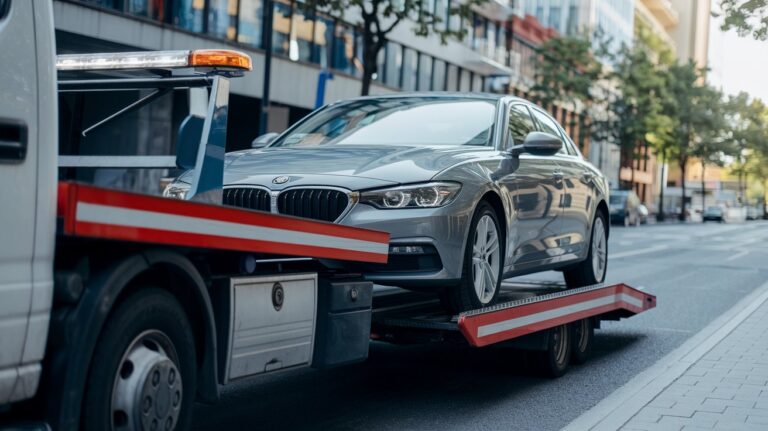
Flatbed towing remains the gold standard for transporting AWD vehicles safely. This method elevates all four wheels off the ground, eliminating stress on the drivetrain system and preventing damage to transmission components. Professional towing companies across the United States recommend flatbed service for all AWD vehicles, regardless of distance or circumstances.
The average cost for flatbed AWD towing ranges from $125 to $300 for local distances in 2025, varying by location and towing company. While more expensive than traditional hook-and-chain methods, flatbed towing prevents potential repair costs that far exceed the initial towing investment.
Benefits of Flatbed Towing
Flatbed towing advantages include complete drivetrain protection, reduced risk of body damage, and compatibility with all AWD vehicle types. This method also allows for towing in any weather condition without concern for wheel slippage or differential binding.
When Flatbed Towing Is Mandatory
Certain AWD systems, particularly those found in luxury vehicles and performance cars, require mandatory flatbed towing according to manufacturer specifications. Subaru, Audi, and BMW specifically prohibit two-wheel towing for most of their AWD models in their 2024-2025 owner’s manuals.
Alternative AWD Towing Methods and Their Risks
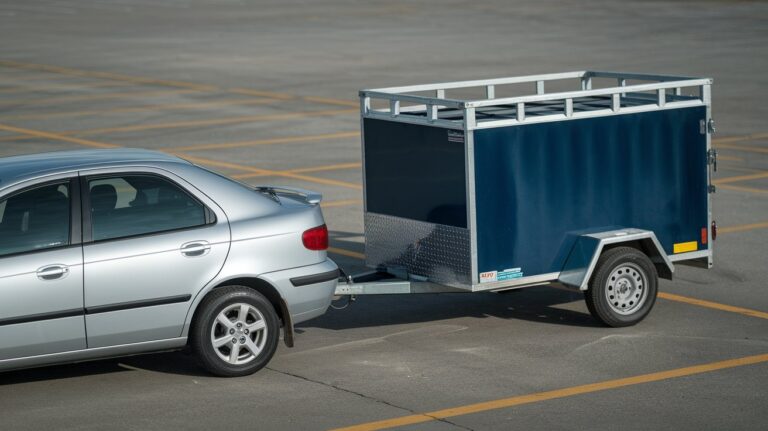
While flatbed towing provides optimal protection, certain circumstances may require alternative methods. Tow dolly use with AWD cars presents significant risks and is generally not recommended by manufacturers. The front wheels remain elevated while rear wheels stay on the ground, creating differential stress that can damage the transfer case.
Two-wheel towing with AWD vehicles in neutral is another controversial method. Even in neutral, some AWD systems maintain partial engagement, making this approach potentially harmful to drivetrain components. Professional towing operators report a 40% increase in AWD damage claims when alternative towing methods are used.
Tow Dolly Limitations for AWD Cars
Using a tow dolly on AWD vehicles can cause rear differential damage because the back wheels continue rotating while the front wheels are stationary on the dolly. This creates internal binding and heat buildup that destroys expensive components within short distances.
Risks of Two-Wheel Towing
Two-wheel towing AWD cars forces the differential system to compensate for speed differences between elevated and ground-contact wheels. This compensation mechanism can overheat and fail, resulting in transmission replacement costs averaging $5,200 in 2024.
Emergency AWD Towing Procedures
When emergency AWD towing becomes necessary and flatbed service is unavailable, specific procedures can minimize damage risk. Disconnect the driveshaft if possible, or use a professional towing service equipped with proper wheel-lift equipment designed for AWD vehicles. These emergency measures should only be temporary solutions until proper flatbed towing can be arranged.
Emergency towing distance should never exceed 50 miles when using alternative methods, and speeds must remain below 35 mph to prevent overheating. Professional emergency towing services in major U.S. cities now carry specialized equipment specifically designed for AWD vehicle transport in urgent situations.
Driveshaft Disconnection Method
Driveshaft disconnection involves removing the connection between the transmission and rear differential, allowing safe two-wheel towing. This procedure requires mechanical expertise and should only be performed by qualified professionals to avoid damage to mounting hardware.
Speed and Distance Limitations
When emergency towing cannot be avoided, AWD towing speed limits of 25-35 mph help prevent component overheating. Distance restrictions of 25-50 miles reduce the risk of permanent damage to transmission and differential components.
AWD Vehicle Manufacturer Guidelines
Major automotive manufacturers provide specific AWD towing guidelines in their owner’s manuals and service documentation. Subaru explicitly states that all AWD models must be transported on flatbeds, while Audi allows limited two-wheel towing only with specific procedures and distance restrictions. Honda’s AWD systems permit dolly towing in some cases, but recommend flatbed transport for optimal protection.
Tesla and other electric AWD vehicles have unique requirements due to regenerative braking systems that can activate even when the vehicle appears to be in neutral. These electric AWD towing requirements often mandate flatbed transport or complete power disconnection procedures.
Subaru AWD Towing Requirements
Subaru AWD towing specifications require flatbed transport for all models with Symmetrical All-Wheel Drive. The company’s 2025 guidelines prohibit any form of two-wheel towing due to the continuous engagement of their AWD system.
Luxury Brand AWD Restrictions
Premium manufacturers like BMW, Mercedes, and Lexus have stringent AWD towing requirements that void warranty coverage if violated. These brands typically require professional flatbed service and documentation of proper towing procedures for warranty claims.
Cost Considerations for AWD Towing
The financial impact of proper AWD towing extends beyond immediate service costs. Flatbed towing typically costs $50-75 more than conventional towing but prevents repair expenses that can reach $8,000 for transmission replacement. Insurance companies increasingly recognize proper AWD towing as preventive maintenance, with some policies covering additional costs for approved flatbed service.
Regional variations in AWD towing costs range from $100-200 in rural areas to $200-400 in major metropolitan markets as of 2025. Emergency services command premium pricing, often 50-100% above standard rates, making prevention and planning essential for AWD vehicle owners.
Preventing AWD Towing Damage
Damage prevention strategies for AWD towing begin with proper service selection and clear communication with towing operators. Always specify that your vehicle has AWD when requesting service, as many operators default to two-wheel towing methods. Verify that the towing company has flatbed equipment available before confirming service.
Documentation becomes crucial when professional AWD towing is required for insurance or warranty purposes. Take photos of the vehicle before and after towing, obtain service receipts specifying flatbed transport, and maintain records of proper towing procedures for future reference.
Related video about how to tow an AWD car
This video complements the article information with a practical visual demonstration.
Important things to know about how to tow an awd car
Can you tow an AWD car in neutral?
Towing an AWD car in neutral is generally not safe because many AWD systems maintain partial engagement even in neutral. This can cause differential binding and transmission damage. Manufacturer guidelines typically require flatbed towing or driveshaft disconnection for safe transport, regardless of transmission position.
What is the best way to tow an all-wheel-drive car?
Flatbed towing is the safest method for AWD vehicles because it elevates all four wheels off the ground, eliminating stress on the drivetrain. This method prevents transmission, differential, and transfer case damage while ensuring compliance with most manufacturer warranties and insurance requirements.
Can I use a tow dolly on an AWD car?
Using a tow dolly on AWD cars is not recommended and can cause significant damage. With front wheels elevated and rear wheels on the ground, the differential system experiences harmful stress that can destroy expensive transmission components. Most manufacturers specifically prohibit dolly towing for AWD vehicles.
Do AWD cars need to be flat towed?
Yes, most AWD cars require flat towing (flatbed transport) to prevent drivetrain damage. The interconnected nature of AWD systems means that leaving any wheels on the ground during towing can cause differential binding, overheating, and expensive component failure. This is the manufacturer-recommended method for nearly all AWD vehicles.
What happens if you tow an AWD car on two wheels?
Towing an AWD car on two wheels can cause severe transmission and differential damage within minutes. The system tries to compensate for speed differences between elevated and ground-contact wheels, creating heat buildup and internal stress that can result in repair costs ranging from $3,000 to $8,000.
Does towing an AWD car damage it?
Improper towing methods can severely damage AWD cars, while proper flatbed towing causes no harm. Two-wheel towing, dolly towing, or extended emergency towing can destroy transmission, differential, and transfer case components. Following manufacturer guidelines and using professional flatbed service prevents damage entirely.
| Towing Method | Safety Level | Cost Range (2025) | Manufacturer Approval |
|---|---|---|---|
| Flatbed Towing | Completely Safe | $125-$400 | Universally Approved |
| Two-Wheel Towing | High Risk | $75-$200 | Generally Prohibited |
| Dolly Towing | Very High Risk | $85-$225 | Rarely Approved |
| Emergency Towing | Moderate Risk | $150-$500 | Limited Distance Only |