Do Tow Trucks Need Your Keys? Complete Guide 2025
When your vehicle breaks down or needs towing, one of the most common questions drivers ask is whether tow trucks need your keys. The answer depends on several factors including the towing method, vehicle condition, and specific circumstances. In most cases, professional towing companies can safely transport your vehicle without keys using specialized equipment and techniques.
Do Tow Trucks Actually Need Your Keys?
The simple answer is that tow trucks typically do not need your keys to safely transport your vehicle. Modern towing equipment allows professional operators to move cars regardless of whether they have access to the ignition or can shift the transmission. However, having keys available can make the process more efficient and reduce potential complications during the towing operation.
Professional towing companies across the United States use flatbed tow trucks and wheel-lift systems that can handle vehicles in any gear position. According to the Towing and Recovery Association of America, over 85% of standard vehicle towing operations in 2024 were completed without requiring the vehicle owner’s keys, demonstrating the effectiveness of modern towing methods.
Situations When Keys Are Helpful
While not essential, providing keys to the tow truck driver can streamline certain aspects of the towing process. Keys allow the operator to shift the vehicle into neutral, turn on hazard lights for safety, and access the interior if needed. This is particularly beneficial when towing from tight spaces or when the vehicle needs to be positioned differently for safe loading onto the tow truck.
When Keys Are Not Available
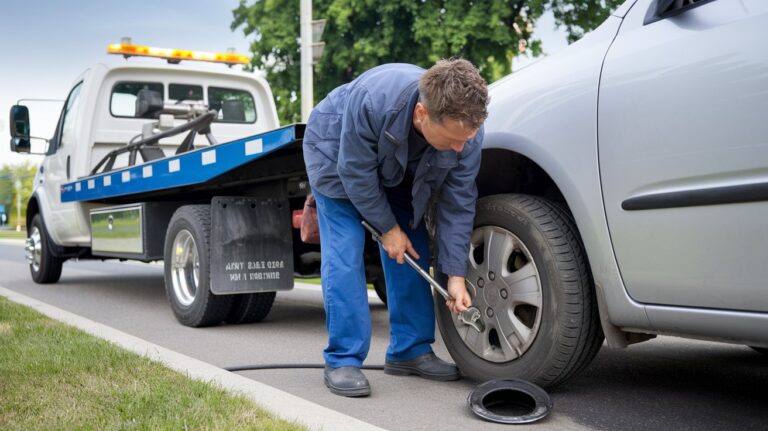
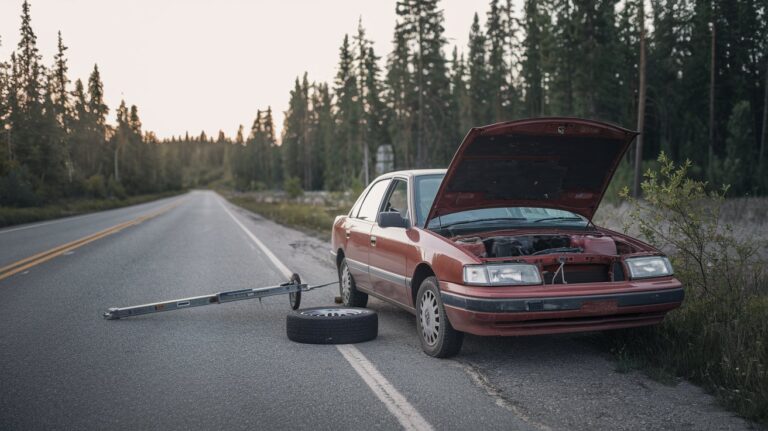
In situations where keys are lost, locked inside, or unavailable, professional towing companies have established procedures to safely handle your vehicle. They use specialized dollies, go-jacks, and other equipment to maneuver cars without starting the engine or accessing the interior. This approach is commonly used in accident recovery, abandoned vehicle removal, and lockout situations.
Towing Methods That Don’t Require Keys
Professional towing companies utilize several methods to transport vehicles without requiring access to keys. Flatbed towing is the most common and safest method, where the entire vehicle is loaded onto a flat platform truck. This method works regardless of the vehicle’s gear position or whether the engine can start, making it ideal for disabled vehicles, luxury cars, and all-wheel-drive systems.
Wheel-lift towing systems represent another effective method that doesn’t require keys. These systems lift either the front or rear wheels off the ground while the opposite end remains on the road. Modern wheel-lift trucks can handle vehicles in park or with engaged parking brakes through the use of dollies and specialized lifting equipment.
Flatbed Towing Advantages
Flatbed towing offers maximum protection for your vehicle since all four wheels are off the ground during transport. This method prevents transmission damage, reduces tire wear, and eliminates the risk of drivetrain complications. According to industry data from 2024, flatbed towing accounts for approximately 60% of all vehicle transport operations in the United States.
Wheel-Lift and Hook Systems
Traditional wheel-lift systems and hook-and-chain methods can also operate without keys, though they require additional equipment for vehicles that cannot be shifted into neutral. Professional operators use dollies to support wheels that remain on the ground, ensuring safe transport even when the vehicle’s transmission is locked in park position.
What Information Tow Truck Drivers Actually Need
Instead of keys, tow truck drivers require specific information to perform safe and legal towing operations. This includes your driver’s license or identification, vehicle registration, and insurance information. In many states, towing companies must verify ownership before moving a vehicle, making these documents more critical than the actual keys.
Professional towing operators also need to know about any special vehicle characteristics or modifications that might affect the towing process. This includes all-wheel-drive systems, lowered suspensions, aftermarket modifications, or any existing damage that could impact safe transport. Providing this information helps ensure your vehicle is handled appropriately during the towing operation.
Legal Requirements for Towing Operations
Towing laws vary by state, but most jurisdictions require proper authorization before a vehicle can be moved. In Georgia, for example, towing companies must obtain written consent from the vehicle owner or law enforcement authorization before performing non-consensual tows. Colorado has similar requirements, with additional regulations regarding notification procedures and storage fees.
The legal framework for towing operations focuses more on authorization and documentation rather than physical key possession. Most states require towing companies to maintain detailed records of each tow, including the reason for towing, authorization method, and vehicle condition. These regulations help protect vehicle owners while ensuring legitimate towing operations can proceed efficiently.
State-Specific Towing Regulations
Georgia towing laws require towing companies to provide written estimates for storage and towing fees before beginning work. The state also mandates specific notification procedures for abandoned vehicle removal and requires towing operators to maintain proper licensing and insurance coverage. Vehicle owners have specific rights regarding access to their vehicles and dispute resolution procedures.
Colorado Towing Compliance
In Colorado, towing regulations emphasize consumer protection through transparent pricing and proper authorization procedures. The state requires towing companies to post visible rate schedules and provide detailed receipts for all services. Colorado law also establishes maximum fees for basic towing services and requires operators to release vehicles during specific business hours.
Can Cars Be Towed While in Park?
Yes, professional towing companies regularly handle vehicles that are stuck in park position without causing damage to the transmission or drivetrain. Modern automatic transmissions have internal mechanisms that allow wheels to rotate freely when the vehicle is lifted properly, even when the gear selector remains in park. This capability is essential for towing disabled vehicles that cannot be started or shifted.
Proper towing techniques prevent transmission damage when vehicles cannot be shifted into neutral. Professional operators use dollies, flatbed systems, and specialized lifting equipment to ensure that no component of the drivetrain experiences excessive stress during transport. The key is understanding which wheels to lift based on the vehicle’s drivetrain configuration.
Front-Wheel Drive Vehicles
For front-wheel drive vehicles in park, towing companies typically lift the front wheels to prevent transmission damage. Since the engine and transmission are connected to the front wheels, lifting them eliminates the risk of internal component damage that could occur if these wheels were dragged while the transmission remains engaged.
Rear-Wheel and All-Wheel Drive Considerations
Rear-wheel drive vehicles can often be towed with front wheels on the ground, even in park, since the transmission connection is to the rear wheels. All-wheel drive systems require more careful handling, with many operators preferring flatbed transport to avoid any potential drivetrain complications that could arise from partial lifting methods.
AAA and Insurance Company Towing Procedures
AAA and major insurance companies have standardized procedures for towing vehicles without keys. Their contracted towing services are specifically trained to handle disabled vehicles regardless of key availability. AAA reported in 2024 that approximately 40% of their roadside assistance calls involve vehicles where keys are either unavailable or the vehicle cannot be started normally.
Insurance company towing procedures typically focus on proper documentation and authorization rather than key possession. Most policies require verification of membership or coverage, along with proper identification from the requesting party. The actual towing process proceeds according to industry standards, with or without keys, depending on the specific situation and vehicle type.
Best Practices for Vehicle Owners
When requesting towing services, vehicle owners should prepare essential documents rather than worrying about key availability. Keep your driver’s license, vehicle registration, and insurance information easily accessible. If keys are available, mention this to the towing company as it may slightly reduce service time, but don’t delay calling for help if keys are lost or inaccessible.
Communication with the towing operator is more important than key possession. Provide accurate information about your vehicle’s location, any special characteristics, and the reason for towing. This helps the operator bring appropriate equipment and complete the job efficiently. Most professional towing companies prefer advance notice about key availability but can adapt their procedures accordingly.
Related video about do tow trucks need your keys
This video complements the article information with a practical visual demonstration.
Your questions answered
Do I have to give my keys to the tow truck driver?
No, you are not required to give your keys to the tow truck driver. Professional towing companies can safely transport your vehicle using specialized equipment regardless of key availability. However, providing keys when available can make the process slightly more efficient.
Can towing a car in park damage the transmission?
When done properly by professional operators, towing a car in park will not damage the transmission. Modern towing methods use appropriate lifting techniques and equipment like dollies or flatbeds to prevent drivetrain stress and potential damage to transmission components.
Where should I leave keys for a tow truck if I’m not present?
If you cannot be present for the tow, coordinate with the towing company about key location. Many operators prefer that keys remain with a trusted person who can provide authorization. Never leave keys in obvious locations without confirming the arrangement with the towing company first.
What documents do I need to provide to a towing company?
Towing companies typically require your driver’s license or identification, vehicle registration, and proof of insurance. Some situations may also require authorization from law enforcement or property owners. These documents are more critical than physical keys for legal towing operations.
Can AAA tow my car without keys?
Yes, AAA can tow your vehicle without keys using standard industry procedures. Their contracted towing services are equipped to handle disabled vehicles regardless of key availability. You will need to provide proper identification and verify your AAA membership for service authorization.
Do I need to stay with my car while waiting for the tow truck?
While not legally required in most situations, staying with your vehicle is recommended for safety and to provide necessary information to the towing operator. If you cannot remain with the vehicle, coordinate with the towing company about authorization procedures and document location.
| Towing Aspect | Key Requirement | Professional Solution |
|---|---|---|
| Flatbed Towing | Keys Not Required | Complete vehicle protection and transport |
| Wheel-Lift Towing | Keys Helpful But Optional | Dollies used for locked transmissions |
| Vehicle in Park | Keys Not Essential | Proper lifting prevents damage |
| Legal Authorization | Documentation Required | ID and registration more important |